
Does creatine help with weight loss, or is it just another gym myth in a tub of white powder? Ask ten people at your gym and you will get two completely different answers. Half swear creatine helped them get leaner. The other half swear it made them puffy. Both groups are telling the truth. They are just describing different parts of the same story.
Here is the short version. Creatine does not burn fat. It is not a fat burner and nobody selling you a tub of creatine monohydrate should tell you it melts anything off your belly. What creatine actually does is help you protect the muscle you already have while you eat less, train harder, and keep your metabolism from slowing down as much as it normally would during a diet. Stack those three things together over a few months and you usually end up leaner than dieting without it.
That is a very different claim than “creatine burns fat,” and it happens to be the honest one.

Why the Scale Lies to You
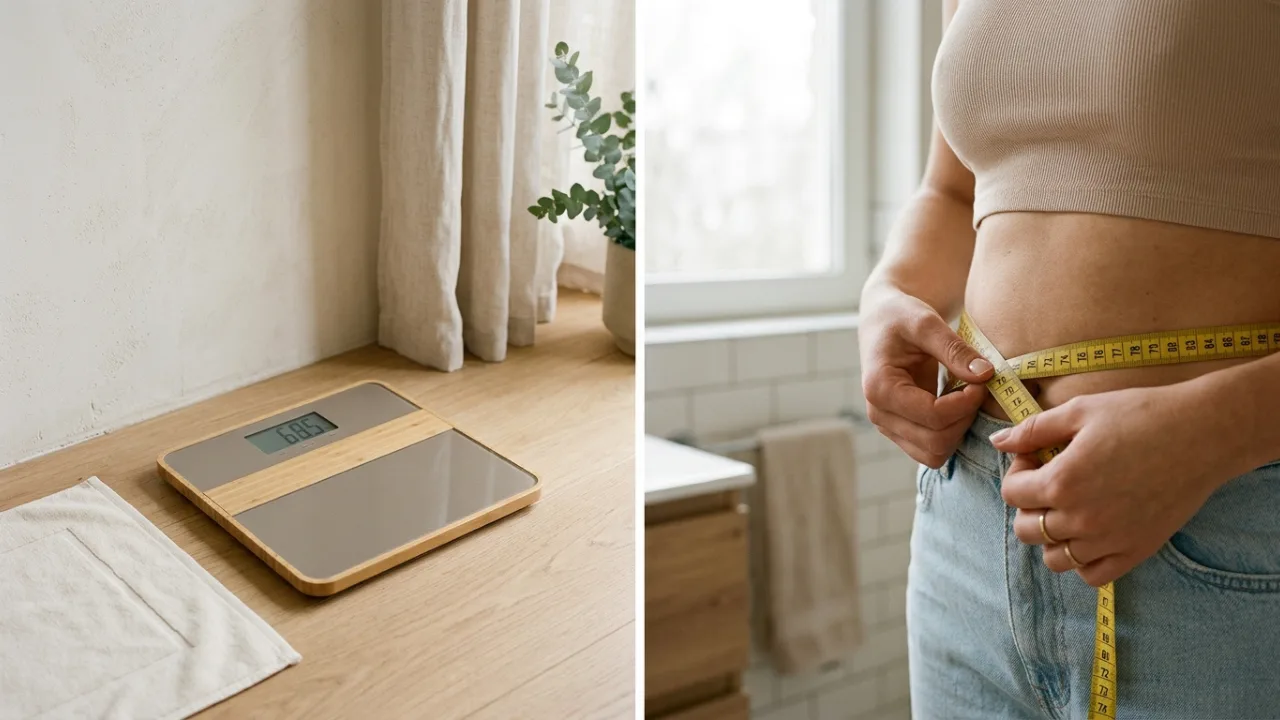
The confusion starts with one fact almost nobody explains clearly. Creatine pulls water into your muscle cells. That water shows up on the scale within the first week, usually two to four pounds. If you only watch the scale, that looks like weight gain. If you watch your body fat percentage or how your jeans fit, it looks completely different.
This is why people ask if creatine makes you gain weight right after they ask if it helps with fat loss. Both questions have the same answer hiding inside them. It depends what you mean by weight.
Creatine can cause weight gain over time, but the extra water your muscle tissue holds accounts for most of that gain, not new fat.
Does Creatine Actually Burn Fat
No, and any page telling you otherwise is stretching the truth. Creatine has no direct fat burning mechanism. It does not raise your body temperature, suppress your appetite, or speed up fat oxidation on its own.
What it does is indirect, but the downstream effect can still matter. A 2024 meta-analysis in the Journal of Strength and Conditioning Research pooled twelve trials on adults doing resistance training.
People taking creatine gained about 1.14 kilograms more lean mass than the placebo group, while also losing about 0.7 kilograms more fat mass. The fat loss showed up as a side effect of better training and muscle retention, not because creatine touched a single fat cell.
How Creatine Helps During a Calorie Deficit
When you eat less than you burn, your body does not pull energy from fat alone. It pulls from a mix of sources, and muscle is one of them, especially in longer or more aggressive cuts. This is why some people finish a diet smaller everywhere but not actually leaner.
Creatine helps here because it supports the strength and training volume you can put out even while eating less. That keeps sending your body a signal to hold onto muscle instead of burning it for fuel. The International Society of Sports Nutrition position stand confirms creatine supplementation can help maintain strength and lean body mass even when calorie intake is reduced.
Every pound of muscle you keep during a diet is a pound that keeps burning calories afterward too. Someone who finishes a cut with more muscle intact can generally eat more food at the new lower weight without regaining fat, compared to someone who lost the same weight but sacrificed muscle along the way.

Creatine and Your Metabolism
Your resting metabolic rate is the number of calories your body burns just staying alive. Lean mass is the strongest predictor of that number. A meta-analysis of adults 50 and older found those combining creatine with resistance training lost significantly more body fat percentage than those training without it, a difference researchers connect back to the muscle tissue creatine helped them keep.
Does creatine increase metabolism directly? Not the way a stimulant does. It raises your metabolism indirectly, by helping you keep the muscle tissue your resting burn depends on in the first place.
Creatine and Belly Fat
No supplement spot reduces fat, creatine included. What it can do indirectly is help you hold onto core and postural muscle during a deficit, which can make your waistline look tighter as overall body fat drops rather than soft and deflated. If belly fat is your main concern, the deficit and the training are still doing the actual work.
Best Dosage and Timing for Weight Loss
The dose does not change just because you are in a deficit. A daily maintenance dose of 3 to 5 grams is enough to saturate your muscle stores. Taking more does not add extra benefit, your body simply flushes out the excess.
Skipping the loading phase is usually the more comfortable route while dieting, since it brings on the water weight bump more gradually. Timing matters less than people think. Taking it around your workout is fine, but daily consistency beats any small timing advantage.

Who Should Be Careful
Creatine is one of the most studied supplements available, but a few groups should check with a doctor first. Cleveland Clinic notes there is not enough evidence to confirm safety for people who are pregnant or breastfeeding, or for people managing diabetes. Anyone with diagnosed kidney disease should also get medical clearance first. Outside those groups, most healthy adults tolerate it well.
The Kidney Myth, Cleared Up
This fear stops more people than any other, and it mostly comes from confusing two similar words. Creatine is the supplement. Creatinine is a waste product your body makes when creatine breaks down, and doctors measure creatinine as one marker of kidney function on a blood test.
A review of common safety concerns around creatine found no adverse effects on kidney function in healthy individuals. UCLA Health confirms research has repeatedly found long term creatine use does not harm kidney function in healthy adults. If your kidneys are healthy, the evidence simply does not back up the fear.
How Long Before You See Results
Strength improvements often show up within one to two weeks. Visible changes in body composition, meaning a leaner and more defined look, generally take four to eight weeks when you combine consistent use with resistance training and a real calorie deficit.
Patience matters more with creatine than almost any other supplement, because its value builds as you stack better training sessions on top of each other over time.
Frequently Asked Questions
Bottom Line on Does Creatine Help With Weight Loss?
Does creatine help with weight loss? Indirectly, yes, and that is the more useful answer than a flat yes or no. It helps you keep muscle that a deficit would otherwise chip away at, helps you train harder while eating less, and helps protect the metabolic rate that muscle provides.
Pair a standard 3 to 5 gram daily dose with a sensible deficit and regular resistance training, give it time, and judge your results by body composition rather than the scale alone.
For informational and educational purposes only. All content on BellyZero, including articles, calculators, health tools, templates, and recipes, is intended to provide general health information. It does not constitute medical advice, a clinical diagnosis, or a substitute for professional healthcare guidance.
Results generated by BellyZero calculators and tools are estimates based on population-level formulas and standard reference ranges. They do not account for your full medical history, individual physiology, existing health conditions, or medications. Results may not apply to pregnant women, children, competitive athletes, or individuals with chronic illness.
Always consult a qualified healthcare professional before making changes to your diet, exercise routine, or health regimen based on anything found on this website. If you have symptoms or concerns about your health, seek medical attention promptly. BellyZero does not accept liability for decisions made based on content published on this site.
Written By: Vikas Arora Updated: July 2026