
Carbs to Avoid for Belly Fat: If your waistband feels tighter even though your weight barely moved, the carbs you eat might be the reason, not just how many calories you eat. Not all carbs act the same way inside your body. Some get digested slowly and keep your blood sugar calm. Others hit your bloodstream fast, spike insulin, and get stored straight into the fat that wraps around your organs. Doctors call that fat visceral fat, and it is the type that builds a round, hard belly.
This article names the 10 worst carbs for belly fat, explains the exact reason each one causes trouble, and gives you a simple swap for each one. A published study backs every claim here, so you get facts instead of another recycled list.

Why Some Carbs Go Straight to Your Belly
Your liver treats different carbs differently. Fiber-rich carbs like oats, beans, and vegetables get digested slowly. Your blood sugar rises gently, your insulin stays steady, and your body burns the carbs for energy instead of storing them.
Refined and sugary carbs work the opposite way. They break down fast, flood your bloodstream with glucose and fructose, and force your pancreas to release a large burst of insulin. High insulin tells your body to store fat, and research shows this storage does not spread evenly. It tends to land in the visceral space around your liver and intestines first.
A controlled study on children with obesity found that cutting fructose intake for just nine days lowered liver fat, visceral fat, and a fat-producing process in the liver called de novo lipogenesis, even when total calories stayed the same. That is strong proof that the type of carb matters, not only the amount.
What Carbs Should You Avoid to Lose Belly Fat?
You do not need to memorize a long list of foods. Almost every carb that harms your waistline falls into one of five categories. Once you can spot these five patterns on a label or a menu, you can judge any carb on your own, even ones this article never mentions.
| Category to Avoid | Why It Hurts Your Waist | Common Examples |
|---|---|---|
| Added sugar carbs | Floods your liver with fructose, which your liver converts straight into fat | Soda, candy, syrups, sweetened coffee drinks |
| Refined grain carbs | Loses its fiber during milling, which speeds up digestion and blood sugar spikes | White bread, white rice, white pasta |
| Liquid carbs | Skips the fullness signal your brain gets from chewing solid food, so you overconsume calories | Fruit juice, sweetened tea, sports drinks |
| High glycemic index carbs | Spikes insulin fast, and high insulin signals your body to store fat | Instant potatoes, low-fiber cereal, rice cakes |
| Carbs cooked with trans fat | Pairs fast sugar with fat your body struggles to process, which pushes fat storage toward your abdomen | Doughnuts, fried snacks, packaged pastries |
Here is the simple rule these five categories share. Any carb that digests fast and carries little or no fiber gives your body a rapid sugar and insulin spike, and repeated spikes push fat storage toward your belly instead of your hips or thighs. A carb that digests slowly and carries plenty of fiber does the opposite. That single rule explains every item in the detailed list below.
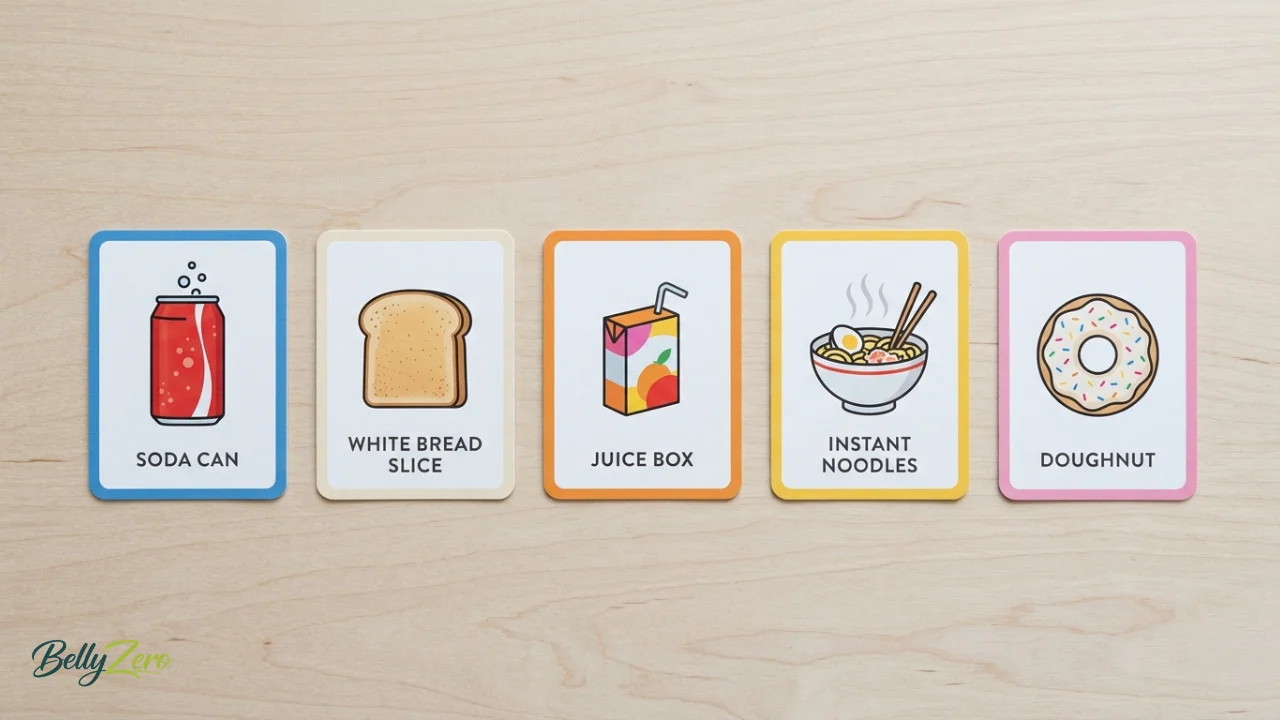
The 10 Worst Carbs for Belly Fat
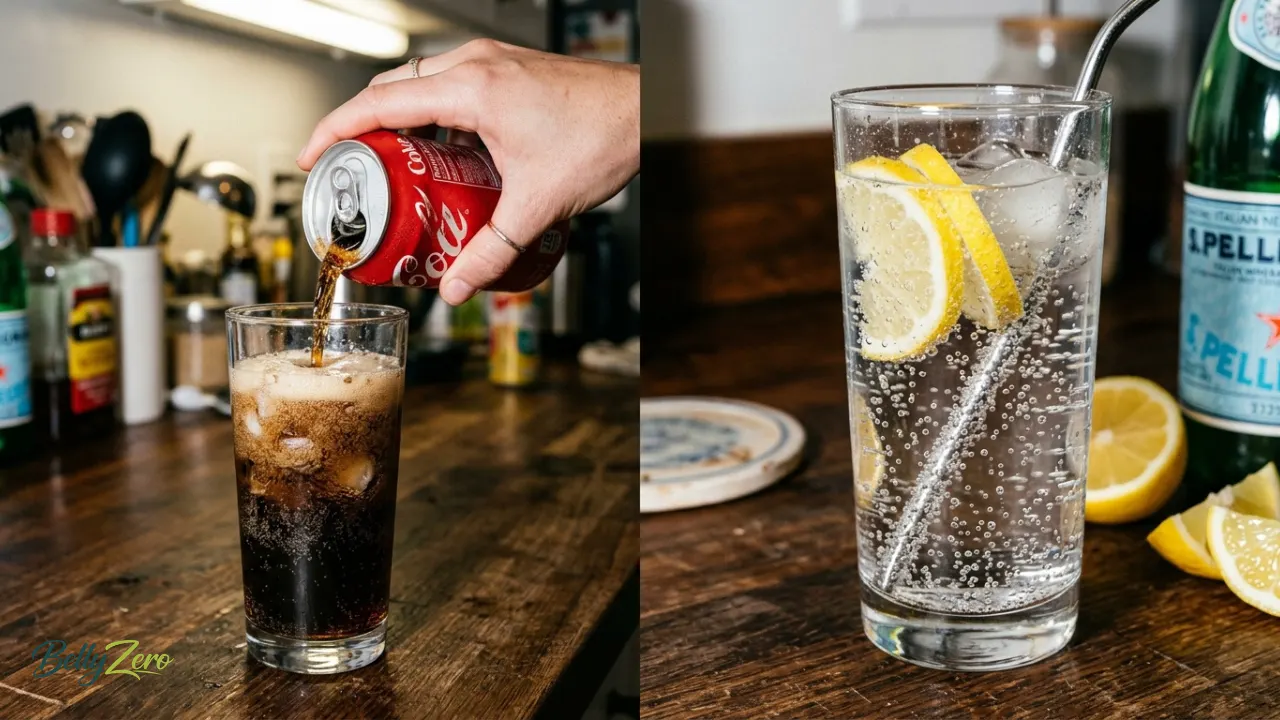
1) Sugary Sodas and Sweetened Drinks
Liquid sugar is the fastest way to load your liver with fructose. Your body cannot tell your brain you are full from a drink the way it can from food, so you end up drinking extra calories on top of your meals.
The Framingham Heart Study tracked over 1,000 adults for six years and used CT scans to measure visceral fat directly. People who drank sugar sweetened beverages regularly showed a clear, dose-dependent rise in visceral fat, while people who drank diet soda showed no such increase.
Swap it: Sparkling water with lemon, unsweetened iced tea, or plain water with muddled berries.
2) White Bread and Refined Flour Products
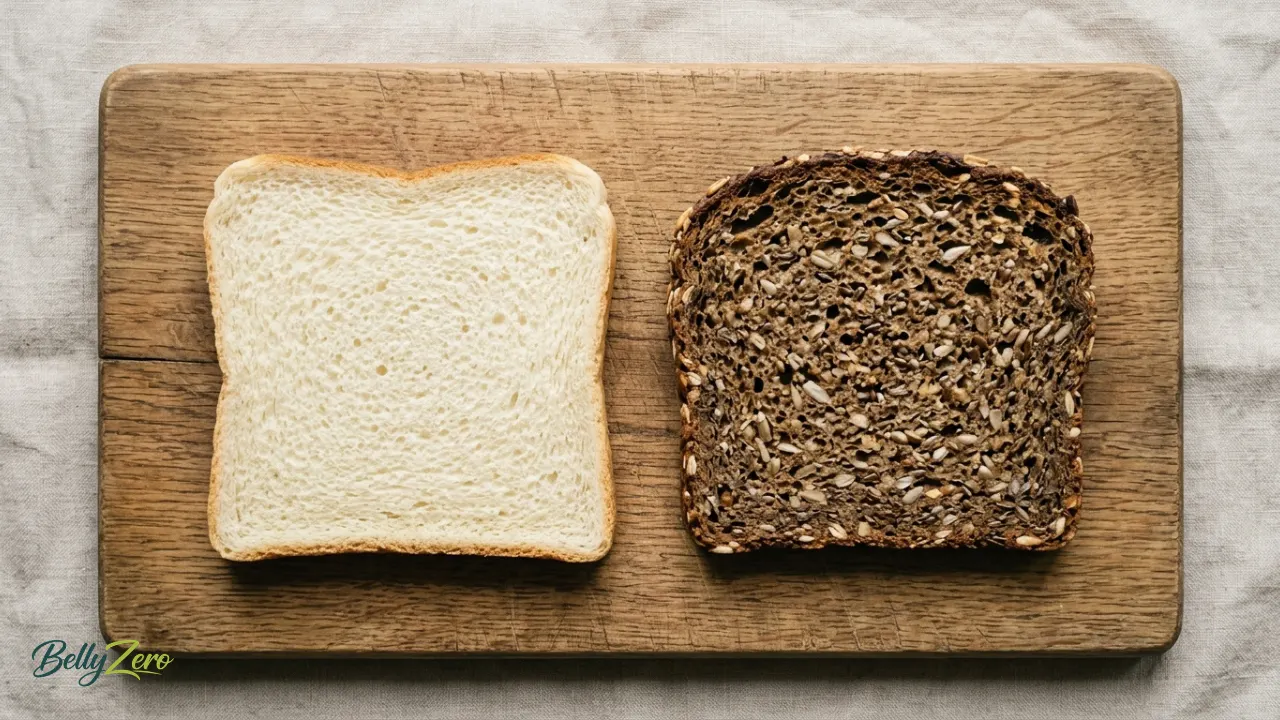
White bread strips away the bran and germ during milling, which removes almost all the fiber and leaves behind fast-digesting starch. Researchers at Tufts University analyzed dietary records from adults in the Baltimore Longitudinal Study of Aging and grouped participants by their eating pattern.
People whose diet matched the white bread pattern gained about half an inch on their waist every year, more than three times the yearly increase seen in people who followed a pattern rich in fruit, whole grains, and fiber.
The large PREDIMED trial backed this up in adults at high cardiovascular risk, linking higher refined grain and white bread intake to steady weight and waist gain over time.
Swap it: 100% whole grain or sprouted grain bread with at least 3 grams of fiber per slice.
3) Fruit Juice, Even 100% Juice
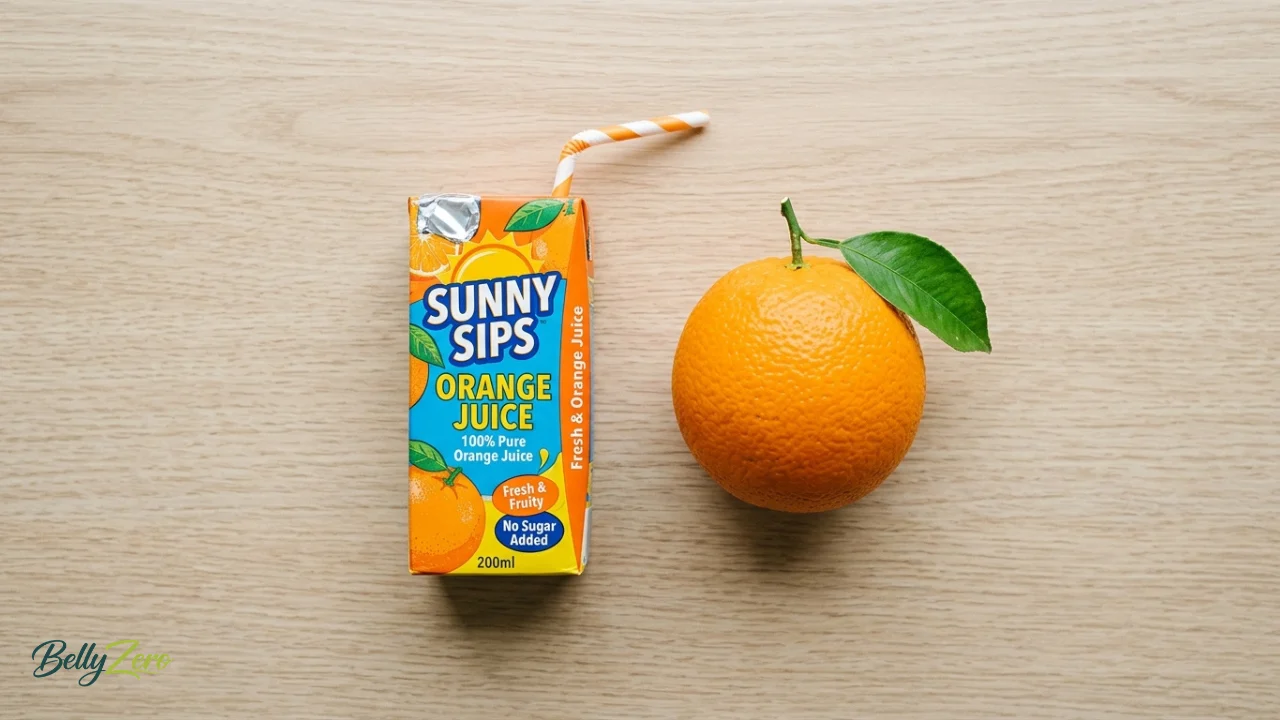
Whole fruit comes packaged with fiber that slows down sugar absorption. Juice removes that fiber, so you can drink the sugar equivalent of four or five oranges in one glass without the fullness that would normally stop you. This concentrated fructose load hits the liver the same way soda does.
Human trials on fructose overfeeding, including work published in the Journal of Clinical Investigation, show that fructose specifically drives visceral fat gain and reduces insulin sensitivity, separate from its calorie count.
Swap it: Whole fruit, or juice diluted heavily with water and limited to a small glass.
4) Pastries, Doughnuts, and Packaged Baked Goods
This category combines two problems at once. Bakers make it from refined white flour and load it with added sugar, and many commercial versions still use partially hydrogenated oils that contain trans fat.
A six-year primate study at Wake Forest University School of Medicine fed one group of monkeys a diet with trans fat and another group the same calories from monounsaturated fat. The trans fat group ended up depositing 30 percent more fat in their abdomen and gained noticeably more total body weight, 7.2 percent compared with 1.8 percent, even though both groups ate the same number of calories.
Swap it: A homemade oat and banana muffin, or a small square of dark chocolate for a sweet craving.
5) White Rice
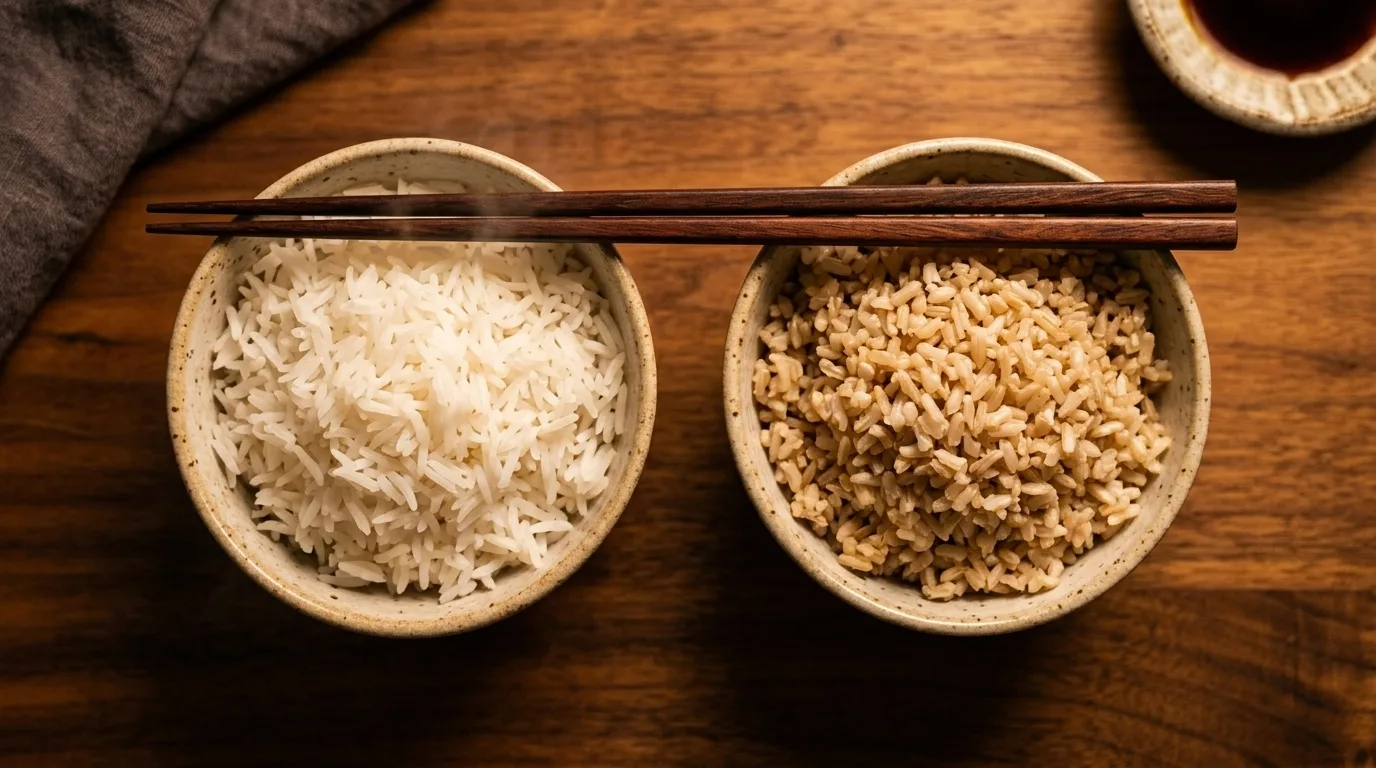
White rice loses its bran layer during processing, which removes fiber and B vitamins and leaves a starch that digests almost as fast as table sugar. Large portions eaten often, especially without protein or vegetables alongside, push blood sugar and insulin up sharply at every meal.
Swap it: Brown rice, black rice, or a half-and-half mix of white and brown rice to ease the transition without losing the food you enjoy.
6) Sugary Breakfast Cereals
A bowl of sweetened cereal can carry as much added sugar as a candy bar, and the refined grain base offers almost no fiber to slow it down. Eating this first thing in the morning sets your blood sugar on a roller coaster before your day even starts, which often leads to a mid-morning crash and cravings.
Swap it: Plain oats or a whole grain cereal with less than 6 grams of sugar per serving, topped with fresh fruit for natural sweetness.
7) Candy and Sugary Snacks
Candy is nearly pure sugar with no fiber, protein, or fat to slow digestion. It causes one of the fastest blood sugar spikes of any food, followed by a steep crash that often triggers more snacking within an hour or two. Regular intake keeps insulin elevated throughout the day, which favors fat storage over fat burning.
Swap it: A handful of nuts, Greek yogurt with berries, or dark chocolate with 70% cacao or higher.
8) Fried, Breaded Foods
Onion rings, breaded chicken tenders, and similar fried foods stack a refined flour coating on top of oil that restaurants often reuse, which raises its trans fat and oxidized fat content. This combination delivers rapid-digesting carbs and inflammatory fat in the same bite, and research links this exact pairing to both visceral fat gain and insulin resistance.
Swap it: Air-fried or oven-baked versions using a light almond flour or panko whole wheat coating.
9) Beer and Sweet Alcoholic Mixers
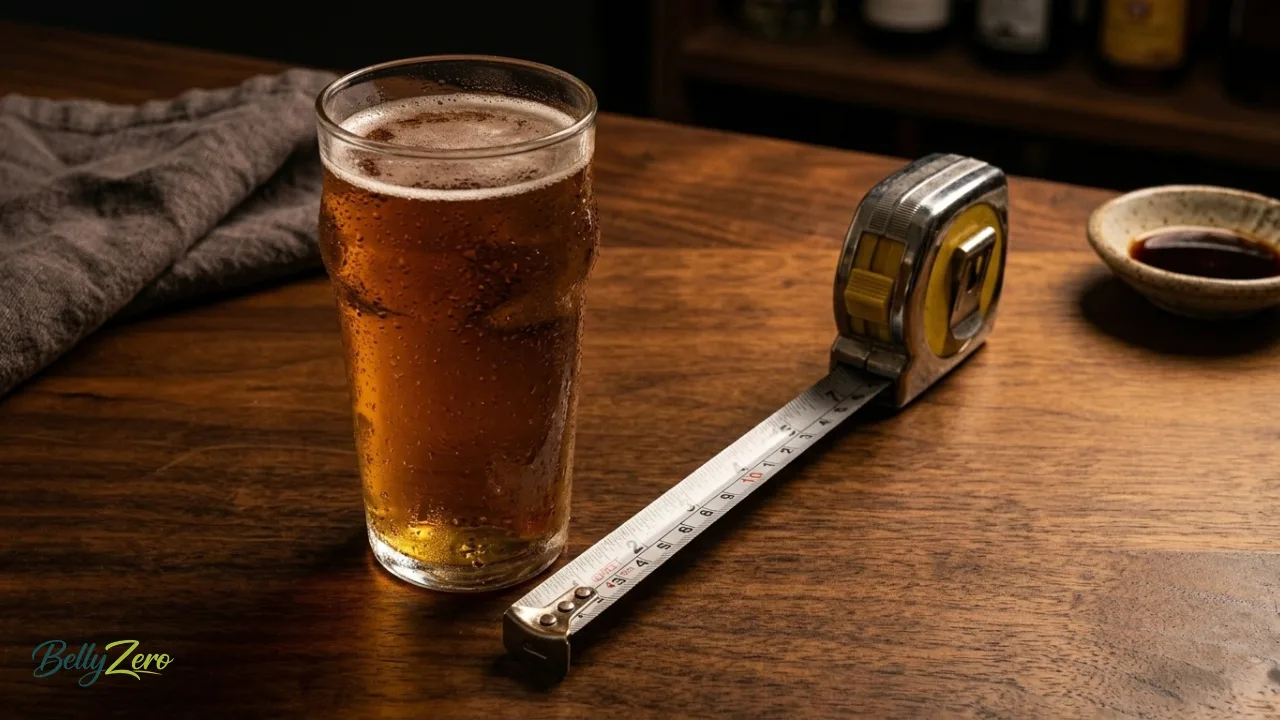
The classic “beer belly” has real science behind it. A large study using DXA body scans on more than 5,700 adults from the Oxford Biobank found that higher alcohol intake tracked with higher visceral fat mass in both men and women, even after the researchers adjusted for total body fat.
Sweet cocktails and mixers add extra sugar on top of the alcohol itself, which compounds the effect.
Swap it: A light spirit with soda water and fresh lime, and alcohol-free days built into your week.
10) Packaged Chips, Crackers, and Instant Noodles
These snacks are made from refined flour or processed potato starch, cooked in oil, and salted heavily to keep you reaching for more. The combination of refined carbs and fat with almost no fiber makes it easy to eat far past the point of fullness, and the sodium load can add to bloating that makes your belly look and feel worse the next day.
Swap it: Air-popped popcorn, roasted chickpeas, or vegetable sticks with hummus.
Belly Fat Risk Score for Each Carb
This score rates each carb from 1 (low risk) to 10 (high risk) based on three factors pulled from the research above: how fast it raises blood sugar, how much fiber it strips away, and how strong the link to visceral fat is in published studies.
| Carb | Belly Fat Risk Score | Better Swap |
|---|---|---|
| Sugary soda | 9 / 10 | Sparkling water with fruit |
| White bread | 7 / 10 | 100% whole grain bread |
| Fruit juice | 7 / 10 | Whole fruit |
| Pastries and doughnuts | 9 / 10 | Oat and banana muffin |
| White rice | 6 / 10 | Brown or black rice |
| Sugary cereal | 8 / 10 | Plain oats with fruit |
| Candy | 8 / 10 | Dark chocolate 70%+ |
| Fried breaded foods | 9 / 10 | Air-fried whole wheat coating |
| Beer and sweet cocktails | 7 / 10 | Spirit with soda and lime |
| Chips and instant noodles | 8 / 10 | Air-popped popcorn |
What to Eat Instead: Belly Fat Friendly Carbs
Not every carb deserves the blame. Carbs with fiber act almost the opposite way, slowing digestion and helping you feel full longer. Here are carbs that research links to lower visceral fat, not higher.
| Carb | Why It Helps |
|---|---|
| Oats | High in soluble fiber, which slows digestion and steadies blood sugar |
| Beans and lentils | Combine fiber and protein, which lowers the insulin response |
| Whole grain wheat bread | A 12-week trial showed it reduced visceral fat area compared with refined bread |
| Vegetables | Low in sugar, high in fiber and volume, which supports fullness |
| Whole fruit | Fiber slows fructose absorption compared with juice or added sugar |
The whole grain bread claim above comes from a randomized double-blind study in Japan. Subjects who switched refined wheat bread for whole grain wheat bread for 12 weeks showed a measurable drop in visceral fat area on CT scans, while the refined bread group showed no change.
The Bottom Line On Carbs to Avoid for Belly Fat
Belly fat is not only about how many carbs you eat. It is about which carbs you eat. Sugary drinks, refined flour, fruit juice, fried and packaged snacks, and alcohol share one pattern: fast sugar release with almost no fiber to slow it down.
Swap even three or four of these for the fiber-rich options above and give it eight to twelve weeks. Most of the studies cited here saw measurable changes in that window, and your waistband will likely notice before the scale does.
Frequently Asked Questions
Focus on five categories: added sugar carbs like soda and candy, refined grain carbs like white bread and white rice, liquid carbs like fruit juice and sweetened drinks, high glycemic index carbs that spike blood sugar fast, and carbs cooked with trans fat like doughnuts and fried snacks. Each one digests quickly and carries little fiber, which spikes insulin and pushes your body to store fat around your belly instead of burning it for energy.
Sugar sweetened drinks show the strongest and most consistent link to visceral fat gain in long-term studies, including the six-year Framingham Heart Study that used CT scans to track fat changes directly. Liquid sugar digests fast and does not trigger the same fullness signal as solid food, so people tend to drink extra calories on top of their normal meals.
Yes. You do not need to cut all carbs, and doing so is often not sustainable. The research points to the type of carb mattering more than the total amount. Fiber-rich carbs like oats, beans, vegetables, and whole fruit lower visceral fat risk, while refined and sugary carbs raise it. Choose mostly whole, fiber-rich carbs and limit the ten items in this guide for a realistic long-term approach.
They land close together, but white bread tends to score slightly worse because commercial versions often pair it with added sugar and higher sodium. Studies that track waist circumference show a clear yearly gain in people who eat the most refined grains, including white bread. A moderate portion of white rice alongside protein and vegetables carries a smaller risk than a large portion of white rice eaten alone.
No. Whole fruit contains fiber that slows down how fast sugar enters your bloodstream, and it fills you up so you naturally eat less of it. Fruit juice removes that fiber, which lets you consume a much larger dose of fructose quickly. Human studies on fructose overfeeding link the concentrated, fiber-free form to visceral fat gain, not whole fruit.
Some studies show measurable change in as little as nine days, particularly for liver and visceral fat tied to fructose intake. Most controlled trials that swapped refined carbs for whole grain or fiber-rich carbs showed visible visceral fat reduction on CT or MRI scans within eight to twelve weeks. Results depend on your starting point, overall calorie intake, and activity level.
Real evidence backs it up. A large DXA scan study of over 5,700 adults found that more alcohol tracked with more visceral fat mass, in a dose-dependent way, in both men and women. Beer often adds extra carbs and calories on top of the alcohol itself, which compounds the effect.
For informational and educational purposes only. All content on BellyZero, including articles, calculators, health tools, templates, and recipes, is intended to provide general health information. It does not constitute medical advice, a clinical diagnosis, or a substitute for professional healthcare guidance.
Results generated by BellyZero calculators and tools are estimates based on population-level formulas and standard reference ranges. They do not account for your full medical history, individual physiology, existing health conditions, or medications. Results may not apply to pregnant women, children, competitive athletes, or individuals with chronic illness.
Always consult a qualified healthcare professional before making changes to your diet, exercise routine, or health regimen based on anything found on this website. If you have symptoms or concerns about your health, seek medical attention promptly. BellyZero does not accept liability for decisions made based on content published on this site.
Written By: Vikas Arora Updated: July 2026