
Turmeric chicken zucchini noodles deliver 290 calories and 38 grams of protein in one bowl. Ready in 30 minutes with real anti-inflammatory nutrition in every bite.
Jump to Recipe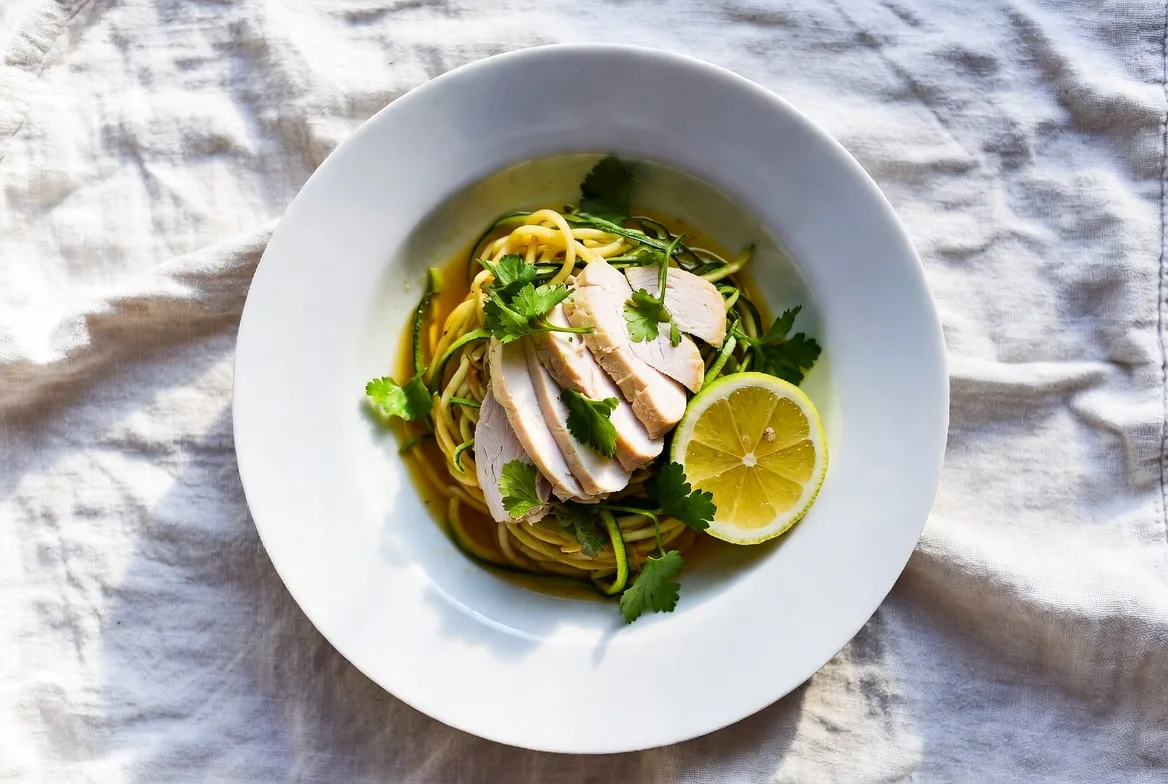
Most healthy chicken bowls are just underflavored salads wearing a wellness label. They cut calories, but they do not give your body anything meaningful to work with. You finish them, feel vaguely unsatisfied, and find yourself opening the fridge an hour later.
Poaching the chicken in a golden turmeric broth infuses every bite with curcumin, the active compound in turmeric that research directly links to reduced visceral inflammation. Visceral fat, the kind that wraps around your organs and sits deep in your midsection, is driven largely by chronic internal inflammation. This meal attacks that problem at the source instead of just counting calories and hoping for the best.
Zucchini noodles replace traditional pasta entirely, removing the glycemic spike that sends blood sugar crashing and triggers your body to store fat. The lemon, ginger, and fresh coriander are not just flavor additions. Each one supports digestion, reduces bloating, and helps your body process the meal more efficiently.
⏱️ Recipe Details
- Prep Time: 10 minutes
- Cook Time: 20 minutes
- Total Time: 30 minutes
🥗 Nutrition (Per Serving)
- Calories: 290 Kcal
- Protein: 38g
- Carbs: 9g
- Fiber: 2.5g
🥑 Ingredients List:
Every ingredient in this bowl earns its place. Nothing is added for appearance. Everything contributes to the flavor, the nutrition, or the fat-loss function of the dish.
The Protein
- 2 chicken breasts, skin removed. Skinless keeps the calorie count lean, while the poaching method ensures the meat stays moist without needing added fat to compensate.
The Broth Base
- 1 cup low-sodium chicken broth. This becomes your cooking medium and your finishing sauce. Low-sodium matters here because turmeric and ginger already bring enough complexity. A high-sodium broth overpowers both.
- 1 teaspoon ground turmeric. The functional centerpiece of the entire dish. Turmeric’s curcumin content is what makes this meal work beyond just being low-calorie.
- 1 teaspoon freshly grated ginger. Fresh only. Ground ginger will not give you the same sharp, clean heat or the same digestive benefits. Grate it fresh every time.
- 2 garlic cloves, minced. Garlic adds depth to the broth and brings its own anti-inflammatory compounds to the bowl.
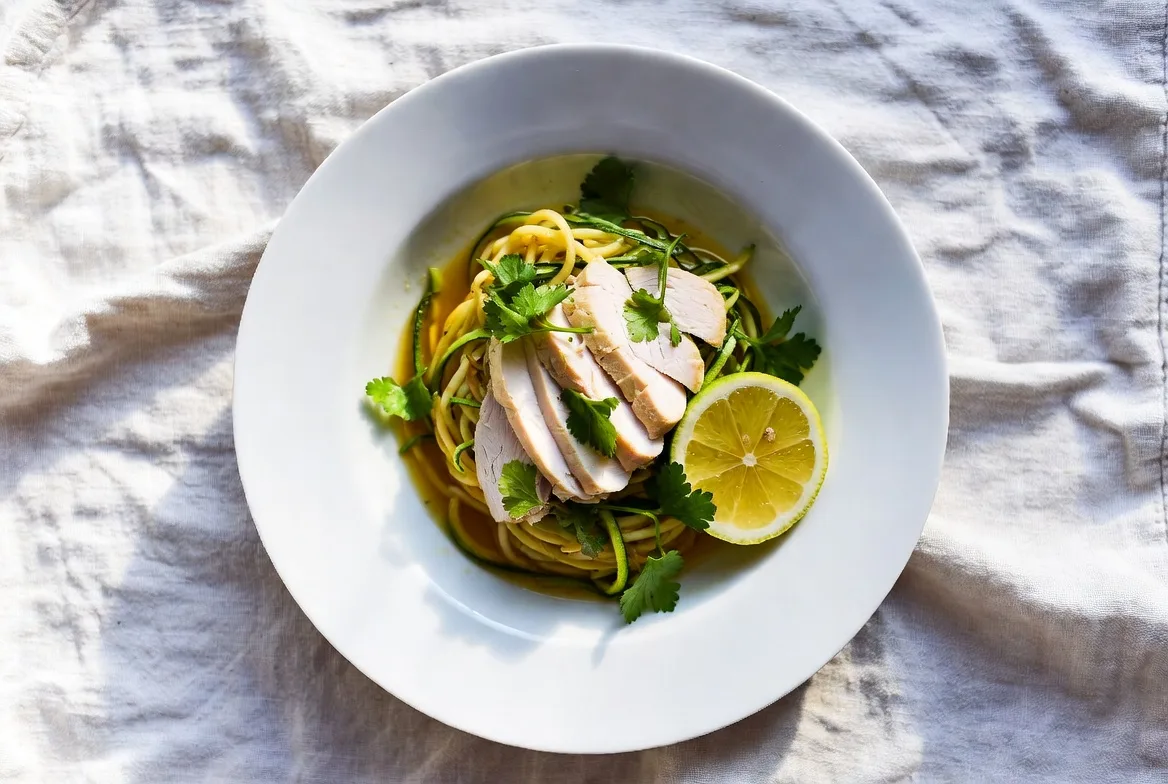
You May Also Like: Seared Tuna Cucumber Noodle Bowl for Waist Slimming
The Noodle Base
- 2 medium zucchini, spiralized. Medium-sized zucchini spiralize more evenly than large ones and hold their texture better in the pan. Large zucchini carry more water and go limp faster.
The Flavor Finishers
- Juice of 1 lemon. Added at the end, not during cooking. Heat destroys some of the brightness of fresh lemon. Squeezing it over the finished bowl keeps the flavor sharp and clean.
- 1 tablespoon extra-virgin olive oil. Used for cooking the zucchini noodles only. One tablespoon is the right amount. More than that, the noodles become greasy rather than lightly coated.
- Handful of fresh coriander. Torn by hand rather than chopped. Hand-torn herbs release their oils differently and distribute more evenly across the bowl without bruising.
- Pinch of sea salt and cracked black pepper. The black pepper is not optional. Keep reading to understand exactly why.
👨🍳 Step-by-Step Instructions To Prepare Turmeric Chicken Zucchini Noodles Belly Fat Loss Meal
Step 1 – Build Your Golden Broth:
Pour the chicken broth into a medium saucepan and place it over medium-low heat. Add the turmeric, freshly grated ginger, and minced garlic directly into the cold broth before it heats up. Starting with a cold liquid and bringing everything up to temperature together allows the fat-soluble compounds in turmeric to disperse more evenly through the broth rather than clumping on the surface.
Add a pinch of cracked black pepper to the broth at this stage. This is the most important step most people skip entirely.
Bring the broth to a gentle simmer. You want small, lazy bubbles rising slowly to the surface. A rolling boil is too aggressive and will tighten the protein fibers in the chicken before it even goes in, making the meat tough before the cooking even begins. Gentle and slow is the entire philosophy of poaching.
Step 2 – Poach the Chicken the Right Way:
Lower the chicken breasts into the simmering broth. The broth should come up around the sides of the chicken but does not need to cover it completely. Reduce the heat to the lowest setting your stove offers and maintain that gentle simmer throughout.
Poach for 18 minutes total, flipping once at the 9-minute mark. Use tongs rather than a fork when you flip. Piercing the chicken with a fork during cooking lets the juices escape, and you lose the moisture that makes poached chicken different from every other cooking method.
At 18 minutes, check the internal temperature with a meat thermometer. You are looking for 74°C / 165°F at the thickest part of the breast. If you do not own a thermometer, cut into the thickest point. The flesh should be completely white with no translucency, and the juices should run completely clear.
Remove the chicken from the broth and let it rest on a cutting board for a full 5 minutes before you slice it. Resting is not optional. It lets the muscle fibers relax and reabsorb the juices that moved toward the surface during cooking. Skip the rest, and those juices run out onto your cutting board instead of staying in the meat.
Slice thinly against the grain. Cutting against the grain shortens the muscle fibers and makes every slice noticeably more tender than slicing with them.
Do not discard the broth. You need it for the final step.
Step 3 – Cook the Zucchini Noodles Without Ruining Them:
Zucchini noodles have one enemy, and that enemy is overcooking. They hold a significant amount of water, and the moment they get too much heat for too long, they release that water into the pan, turn limp, and collapse into a soggy pile that looks nothing like noodles.
Heat one tablespoon of extra virgin olive oil in a wide nonstick pan over medium heat. Let the oil get hot before adding the noodles. Cold oil equals steaming. Hot oil equals a light, quick sear that keeps the texture firm.
Add the spiralized zucchini to the pan and toss immediately. Keep them moving. Cook for exactly 2 minutes, tossing constantly. You are not trying to cook them through. You are warming them, adding a little color, and coating them in the olive oil. They should still have a slight resistance when you press them with a spoon.
Season lightly with sea salt right at the end of those 2 minutes, not at the start. Salt draws moisture out of vegetables. Adding it too early accelerates the water release, and you end up with that soggy texture you are trying to avoid.
Remove from heat immediately and transfer to your serving bowl right away. Every extra minute in a hot pan works against you here.
Step 4 – Build the Bowl With Care:
Place the zucchini noodles into a wide, shallow bowl first and spread them out slightly so they form an even base rather than a dense pile in the center. A wide bowl gives you more surface area to work with and makes the final presentation look intentional.
Arrange the sliced chicken across the top of the noodles. Fanning the slices slightly rather than stacking them flat lets you see the golden turmeric color running through the meat, which signals to anyone looking at it that this is not a plain, boring chicken bowl.
Squeeze lemon generously across everything. Use your hand to catch any seeds. Do this right before serving, not in advance. Lemon juice starts to cook the surface of the chicken slightly if it sits too long and changes the texture.
Scatter the torn fresh coriander across the top. If you are cooking for someone who dislikes coriander, flat-leaf parsley or fresh basil works as a substitute and keeps the bowl looking fresh and vibrant.
Step 5 – Finish With the Golden Broth:
This step separates a good bowl from a genuinely great one. Ladle 2 to 3 tablespoons of the warm golden poaching broth directly over the assembled bowl right before serving. Just enough to pool lightly at the base of the noodles without flooding them.
This broth has been sitting with turmeric, ginger, and garlic for the entire cooking time. It is deeply flavored, functional, and completely calorie-minimal. It acts as a light, fragrant sauce that brings every element of the bowl together without needing butter, cream, or anything heavy to make it feel satisfying.
Serve immediately. This bowl does not wait well.
🔄Variations And Smart Substitutions
Make It Fully Vegan Replace the chicken with 200 grams of extra-firm tofu. Press the tofu for 20 minutes to remove as much water as possible, then slice into thick planks and marinate in the warm turmeric broth for 10 minutes. Pan-fry in a little sesame oil over medium-high heat until golden and lightly crisped on both sides, around 3 minutes per side. The turmeric stains the tofu a deep golden color and the flavor absorption is surprisingly strong. Use vegetable broth instead of chicken broth for the base and the rest of the recipe stays exactly the same.
Extra Anti-Bloat Version Stir 1 teaspoon of apple cider vinegar into the broth during the simmering stage. Apple cider vinegar supports stomach acid production, which improves protein digestion and reduces the gas and bloating that some people experience after high-protein meals. The flavor is subtle at this quantity and does not compete with the turmeric and ginger.
Add More Vegetables Thinly sliced bok choy, baby spinach, or shredded purple cabbage all work well added to the zucchini noodle pan in the last 30 seconds of cooking. They wilt quickly, add color, and bring additional fiber to the bowl without changing the calorie count in any meaningful way.
Turn Up the Heat Add half a teaspoon of chili flakes to the broth during the simmering stage. Capsaicin has a mild thermogenic effect and the heat adds a completely different energy to what is otherwise a gentle, warming dish.
🔥 BellyZero Secret
Always add a pinch of cracked black pepper alongside turmeric. Piperine, the active compound in black pepper, increases curcumin bioavailability by up to 2,000%. This turns a good meal into a genuinely functional anti-inflammatory dish. Skip the pepper and you leave most of the waistline benefits on the table.
A peer-reviewed clinical study published on PubMed confirmed that combining piperine with curcumin increased curcumin bioavailability by 2,000 percent in human volunteers with no adverse effects.
💡 Why This Recipe Actually Works for Belly Fat
This is not a meal that works simply because it is low in calories. It works because it addresses the actual biological mechanisms behind stubborn belly fat.
Curcumin and Visceral Inflammation Visceral fat is not just stored energy sitting passively around your midsection. It is metabolically active tissue that produces inflammatory compounds continuously. That chronic low-grade inflammation makes fat loss harder and drives the cycle of fat accumulation forward. Curcumin directly interferes with the inflammatory pathways that visceral fat relies on, creating a biological environment where your body finds it easier to release stored fat rather than hold onto it.
A 2023 meta-analysis published in the American Journal of Clinical Nutrition, covering 50 randomized controlled trials, found that curcumin supplementation significantly reduced BMI, body weight, and waist circumference across multiple patient groups.
Zucchini Noodles and Blood Sugar Stability Every time you eat high-glycemic carbohydrates like regular pasta, your blood sugar spikes sharply and then crashes. That crash triggers hunger, drives cravings, and raises insulin levels. Chronically elevated insulin tells your body to store fat. Zucchini noodles carry almost no glycemic load. Your blood sugar stays stable, insulin stays low, and your body stays in a fat-burning state rather than a fat-storing one.
A meta-analysis published in Frontiers in Nutrition confirmed that low glycemic index diets actively reduce blood sugar spikes and improve insulin sensitivity, creating a more consistent metabolic environment throughout the day.
Lean Protein and Metabolic Rate Thirty-eight grams of protein per serving does two important things. First, it keeps you full for hours by slowing gastric emptying and triggering satiety hormones. Second, protein has a significantly higher thermic effect than fat or carbohydrates, meaning your body burns more calories just digesting it. A high-protein meal actively raises your metabolic rate for several hours after eating.
Ginger and Digestive Efficiency Fresh ginger stimulates digestive enzyme production and accelerates gastric emptying. A more efficient digestive system means less bloating, better nutrient absorption, and a gut environment that supports rather than fights your fat loss efforts. Ginger is one of the most underrated functional ingredients in any belly fat focused kitchen.
⏰ When to Eat This Meal for Best Results
Lunch is the strongest timing for this meal. Your metabolism peaks during midday hours and your body is primed to use the protein and anti-inflammatory compounds for fuel and repair rather than storing them.
Early dinner before 7pm works equally well. The high protein content supports overnight muscle recovery and the low glycemic load means your blood sugar stays stable through the night instead of spiking and crashing while you sleep.
Post-workout is another excellent window. After training, your muscles actively pull protein in for repair and growth. Consuming 38 grams of high-quality lean protein within 90 minutes of finishing a workout directly supports that recovery process while the low carbohydrate content keeps the meal from spiking insulin unnecessarily.
What to avoid is eating this as a very late meal right before bed if your primary goal is fat loss. Your body’s metabolic rate slows significantly in the hours before sleep and the functional benefits of the turmeric and ginger are best utilized when your digestive system is fully active.
⚠ Who Should Avoid This Recipe
Kidney conditions: This meal provides 38 grams of protein per serving which is on the higher end for individuals managing kidney disease or following a medically prescribed low-protein diet. If you have any kidney-related condition, speak with your doctor or dietitian before making high-protein meals a regular part of your diet.
Blood thinning medications: Turmeric in culinary amounts is safe for most people, but very high regular consumption can have mild blood-thinning effects. If you are taking warfarin or similar medications, mention your turmeric intake to your doctor, particularly if you are planning to eat this several times per week.
Acid reflux: Lemon juice, ginger, and garlic can aggravate acid reflux symptoms in sensitive individuals. If you experience reflux regularly, reduce the lemon to a light squeeze rather than a full fruit and see how your body responds before eating this regularly.
🚀 Pro Tips for Getting Faster Results With This Meal
- Combine this meal with a calorie deficit and avoid pairing it with high-carb sides.
- Add a 20-minute walk after eating. Not a workout. Just a walk. Post-meal movement improves insulin sensitivity, helps your body use the meal’s nutrients more efficiently, and meaningfully reduces the blood sugar response even from a low-glycemic meal like this one.
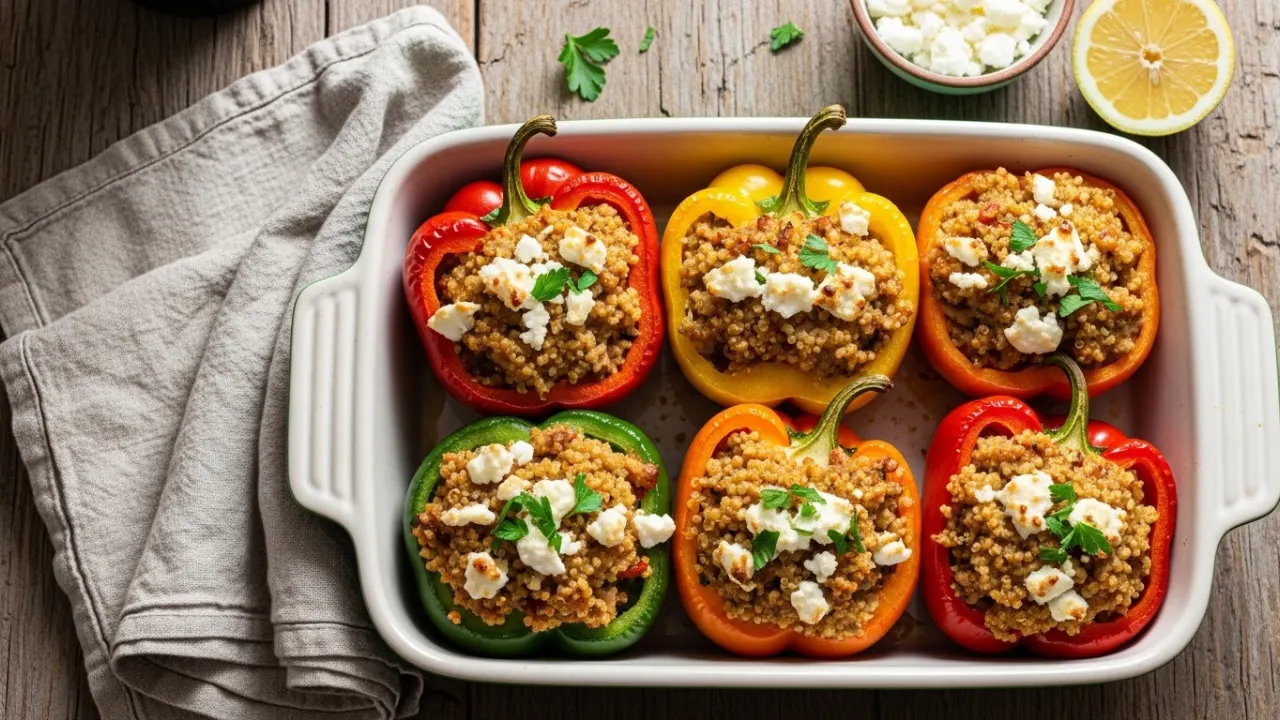
Greek Stuffed Bell Peppers
A Mediterranean-style stuffed pepper loaded with fresh vegetables, herbs, and balanced protein. Perfect for a light yet filling meal.
View Recipe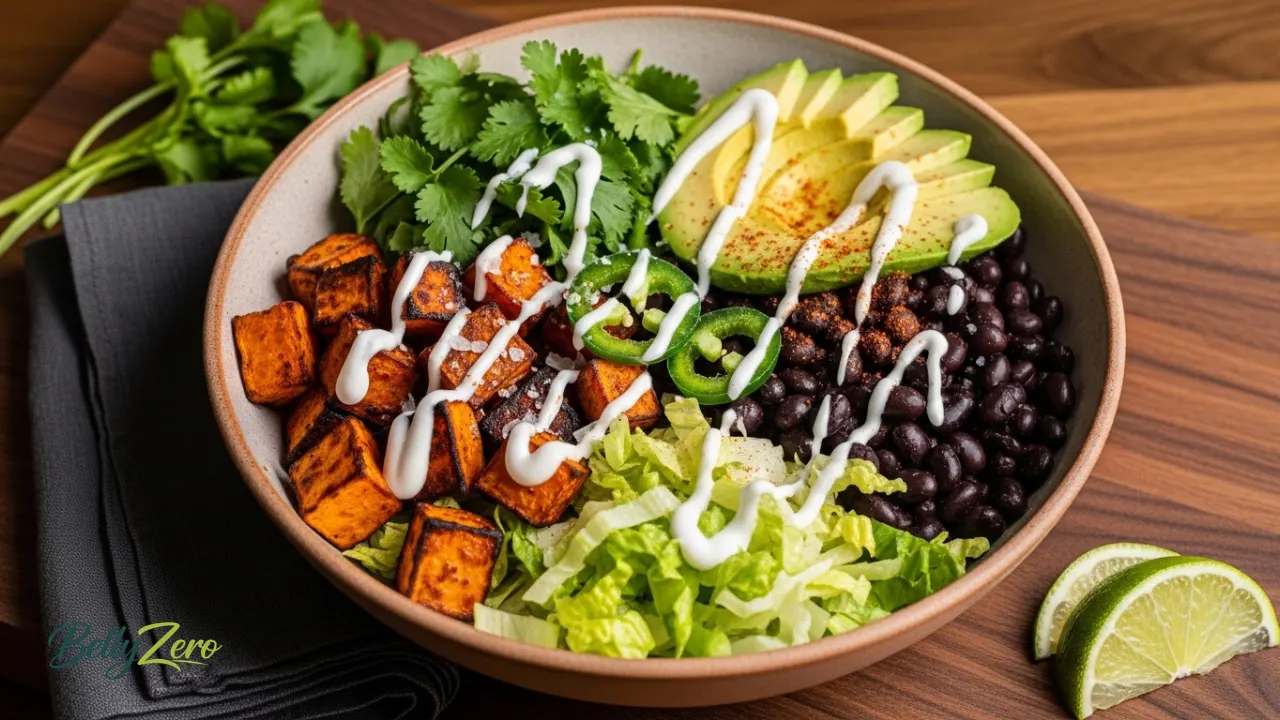
Black Bean Sweet Potato Bowl
A powerhouse bowl combining sweet potatoes and black beans for sustained energy, fiber, and weight-friendly nutrition.
View Recipe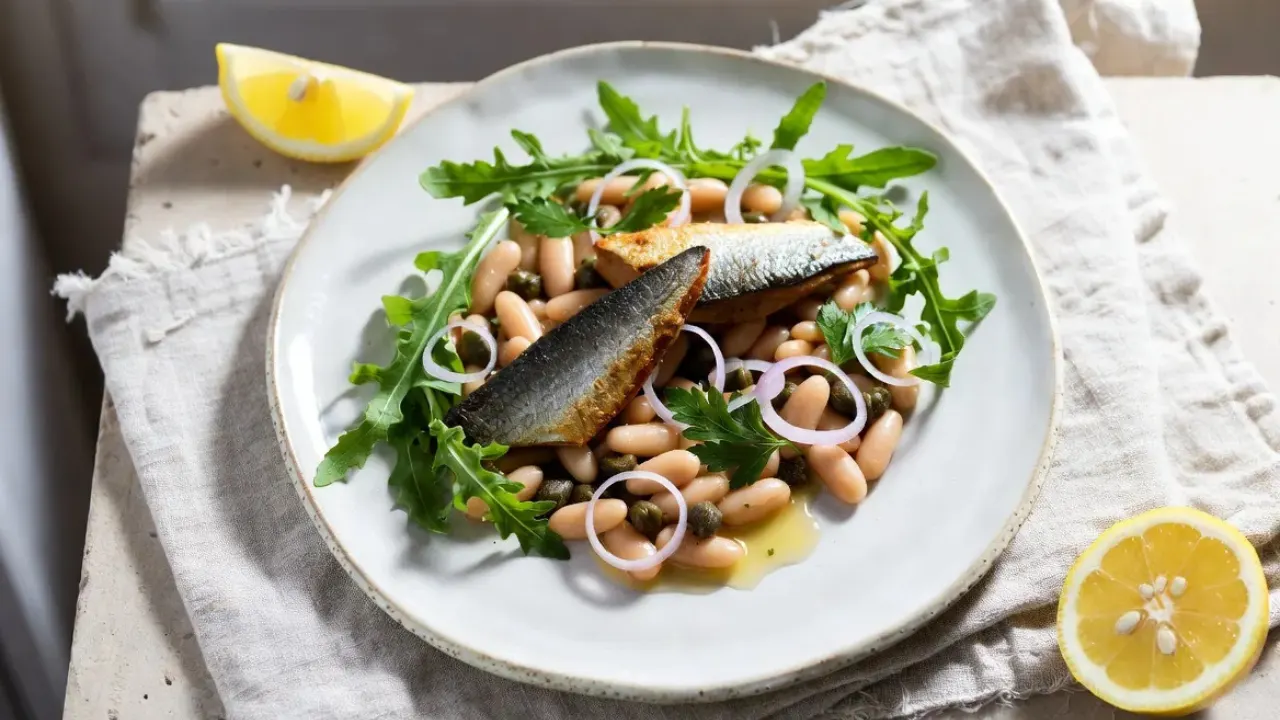
Baked Sardine & White Bean Salad
Rich in omega-3 and protein, this salad is a heart-healthy, low-carb Mediterranean dish that supports fat loss.
View RecipeFrequently Asked Questions
For informational and educational purposes only. All content on BellyZero, including articles, calculators, health tools, templates, and recipes, is intended to provide general health information. It does not constitute medical advice, a clinical diagnosis, or a substitute for professional healthcare guidance.
Results generated by BellyZero calculators and tools are estimates based on population-level formulas and standard reference ranges. They do not account for your full medical history, individual physiology, existing health conditions, or medications. Results may not apply to pregnant women, children, competitive athletes, or individuals with chronic illness.
Always consult a qualified healthcare professional before making changes to your diet, exercise routine, or health regimen based on anything found on this website. If you have symptoms or concerns about your health, seek medical attention promptly. BellyZero does not accept liability for decisions made based on content published on this site.