
Coffee for weight loss is not a myth, but it is not the miracle your favorite wellness account wants you to believe either. Most people already drink two to three cups a day. The problem is they drink it in the one way that cancels out most of the benefit before it ever reaches their metabolism.
This article covers what the research actually shows, what black coffee does to your body fat, why your creamer choice matters more than the coffee itself, and whether mushroom coffee deserves the attention it has been getting.

How Coffee Affects Your Body Fat
Coffee contains three compounds that directly change how your body handles fat: caffeine, chlorogenic acid, and diterpenes (found mainly in unfiltered coffee like French press). Caffeine does most of the work.
When you drink coffee, caffeine stimulates your central nervous system, which tells your fat cells to release stored fat into the bloodstream as free fatty acids. Your body can then burn those fatty acids as fuel. Scientists call this process lipolysis, and it has been studied extensively for decades.
A meta-analysis published in the International Journal of Sport Nutrition and Exercise Metabolism pulled data from 94 studies and 984 participants and confirmed that caffeine significantly increased fat metabolism across all fitness levels, age groups, and both men and women. The increase was actually stronger at rest than during exercise, which means your morning cup on a rest day still does something real for your metabolism.
A separate dose-response meta-analysis in Critical Reviews in Food Science and Nutrition covering randomized controlled trials found that higher caffeine intake produced statistically significant reductions in body weight, BMI, and body fat percentage over time.
Chlorogenic acid, the second key compound, works differently. It slows carbohydrate absorption in your gut, which lowers the blood sugar spike you get after eating. Lower blood sugar means less insulin, and insulin is the primary hormone that tells your body to store fat instead of burning it.
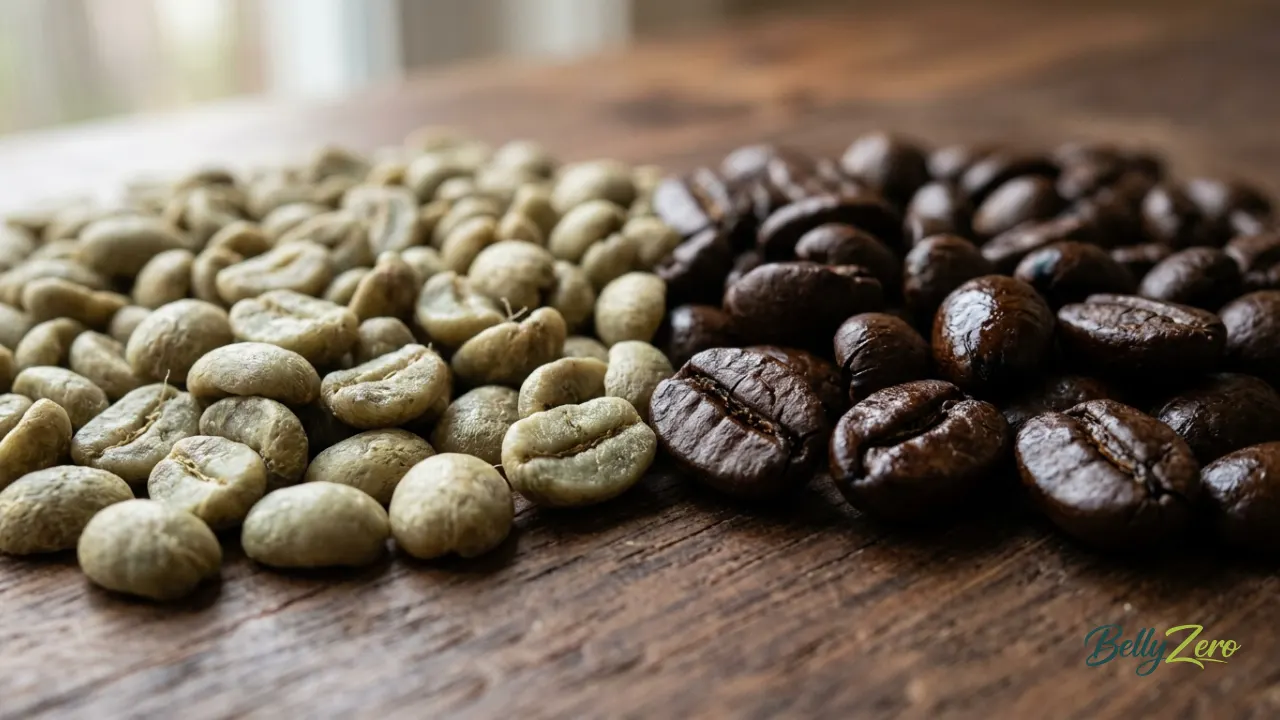
Lighter roasts preserve more chlorogenic acid than dark roasts because high heat destroys it during the roasting process. A 2023 systematic review in Systematic Reviews found that green coffee bean extract delivering 500 mg per day of chlorogenic acid produced measurable body weight reductions in randomized controlled trials.
Is Coffee Good for Weight Loss? Here Is the Honest Answer
Yes, but the context matters completely.
Research published in Advanced Biomedical Research in 2024 analyzed 12 cross-sectional studies and found that coffee intake alone had no significant association with obesity, which means coffee by itself does not cause weight loss, and it does not cause weight gain either. It is what you add to it, and when you drink it, that determines which direction it pushes your results.
Coffee pushes your weight loss in the right direction when you drink it without added sugar or high-calorie creamers, when you use it before exercise to amplify fat burning, and when you cut it off early enough in the day to protect your sleep.
It pushes your results in the wrong direction when you load it with flavored syrups and sweetened creamers, when you drink it after 2 PM and it cuts into your sleep quality, or when you use it as a meal replacement in a pattern that causes rebound hunger later in the day.
Poor sleep raises ghrelin, the hunger hormone, and lowers leptin, the fullness hormone. One late-night cup that shaves 45 minutes off your sleep can easily undo the appetite suppression the same cup gave you that morning.
Black Coffee for Weight Loss: Why It Works Better Than Anything Else in Your Cup
Drinking black coffee for weight loss strips away the one variable that cancels most of coffee’s fat-burning benefit before it starts: extra calories from sugar and creamer.
A plain cup of black coffee has roughly 2 calories. That is not a rounding error. It means the caffeine and chlorogenic acid work on your metabolism without triggering any insulin response, without adding to your daily calorie count, and without blunting the fat oxidation effect.
Caffeine raises levels of peptide YY in your gut, a hormone that signals fullness to your brain. It also temporarily elevates epinephrine, which suppresses appetite directly. Studies consistently show that people who drink black coffee before a meal eat fewer calories at that meal compared to people who drank water instead.
On the thermogenesis side, caffeine raises your resting metabolic rate by stimulating the sympathetic nervous system. The increase runs roughly 3 to 11 percent depending on your body weight and caffeine tolerance. For someone burning 2,000 calories per day at rest, that translates to a real 60 to 220 additional calories burned. Small per cup, real over months.
The biggest individual benefit of black coffee for weight loss shows up when you drink it before fasted morning exercise. Collado-Mateo et al. (2020) conducted a systematic review and meta-analysis of 19 studies and found that acute caffeine intake before fasted aerobic exercise significantly increased fat oxidation during exercise, with larger effects observed in sedentary or untrained individuals.
Black coffee also fits cleanly inside intermittent fasting protocols. At 2 calories and zero carbohydrates, it produces no meaningful insulin response, which means it does not break a fast for weight-loss purposes. This is why it has become standard in 16:8 and OMAD fasting routines. It makes the fasting window easier to sustain without disrupting the metabolic state you are trying to maintain.
One thing worth noting: if you have acid reflux or a sensitive stomach, black coffee on a completely empty stomach can cause irritation. Drinking it with a small amount of food removes that issue without meaningfully changing its metabolic effect.
Best Coffee Creamer for Weight Loss
Most people undermine their entire coffee habit here and never connect the two.
A standard flavored commercial creamer like Coffee Mate French Vanilla or International Delight runs 35 to 40 calories per tablespoon and contains 5 to 7 grams of added sugar. Most people pour 2 to 4 tablespoons per cup without measuring. Two cups a day at that pour means you add 280 to 640 calories from creamer alone before you eat a single meal. That is enough to erase the thermogenic benefit of coffee dozens of times over.
The goal is not to drink bad coffee. The goal is to find a creamer that keeps your coffee enjoyable while keeping the calorie cost low enough that coffee stays net positive for your weight loss.
| Creamer Option | Calories per tbsp | Added Sugar | Best For |
|---|---|---|---|
| Unsweetened almond milk | ~4 | 0g | Lowest calorie, dairy-free |
| Unsweetened barista oat milk | ~9 | 0g | Creamy texture, plant-based |
| Organic half and half | ~20 | 0g | Real dairy, filling, no sugar |
| Nutpods (almond and coconut) | 10 | 0g | Keto, dairy-free, no gums |
| Silk Zero Sugar Oat Creamer | 10 | 0g | Flavored, stevia-sweetened |
| Chobani Zero Sugar | 20 | 0g | Dairy-based, stevia-sweetened |
| Standard flavored creamer | 35 to 40 | 5 to 7g | Skip if losing weight |
One thing to watch with zero-sugar creamers: many mainstream brands sweeten with sucralose and acesulfame potassium. The Center for Science in the Public Interest flags both as ingredients worth avoiding. Look for brands that use stevia or allulose instead. Silk, Natural Bliss, and Chobani all make stevia-sweetened versions.
The healthiest coffee creamer for weight loss is not a specific brand. It is whichever clean, unsweetened option you will actually use consistently. A tablespoon of unsweetened oat milk with a pinch of cinnamon costs under 10 calories, zero sugar, and the cinnamon adds mild blood sugar stabilization as a bonus.
Best Mushroom Coffee for Weight Loss
Mushroom coffee is not a gimmick, but the weight loss angle requires some unpacking.
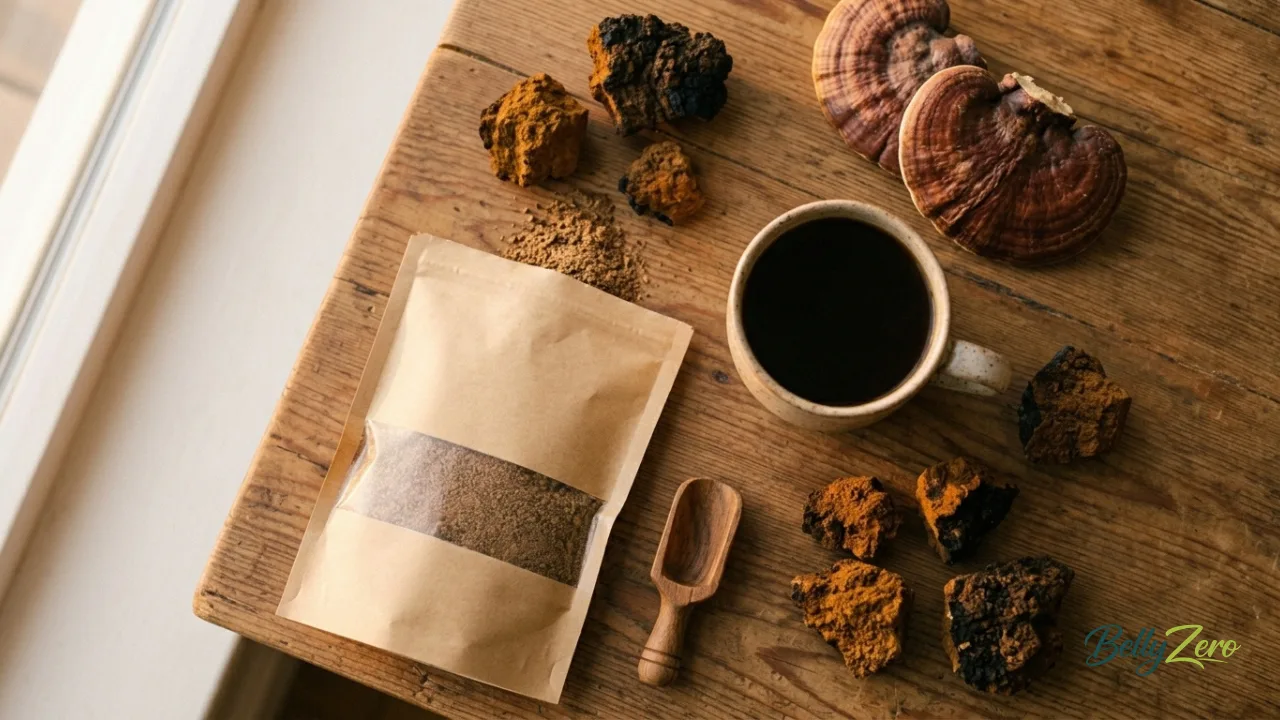
Mushroom coffee blends regular coffee grounds with powdered extracts from functional mushrooms, most commonly lion’s mane, chaga, reishi, and cordyceps. The caffeine content is lower than standard coffee, and the taste is slightly earthier. The weight loss relevance comes from what these mushrooms do to your metabolism, stress hormones, and blood sugar rather than any direct fat-burning effect.
Cordyceps is one of the most studied medicinal mushrooms for metabolic health. It may influence pathways involved in energy regulation, including AMPK signaling, glucose metabolism, and lipid handling.
A 2022 study published in The American Journal of Chinese Medicine found that Cordyceps extract improved obesity-related metabolic markers and altered bile acid metabolism in high-fat-diet-fed mice. While human evidence for direct fat loss is still limited, these findings suggest Cordyceps may support metabolic health through cellular energy and fat metabolism pathways.
Reishi targets cortisol, the stress hormone that drives belly fat storage. When cortisol stays elevated from chronic stress, your body releases glucose into the bloodstream even without food, which raises insulin and signals fat storage. Reishi’s adaptogenic compounds help regulate this stress response, which indirectly reduces the hormonal environment that promotes fat accumulation around the midsection.
Lion’s mane mushroom (Hericium erinaceus) is better known for its effects on brain health and stress regulation than direct fat loss. A human study in overweight and obese adults found that 8 weeks of lion’s mane supplementation improved anxiety, mood symptoms, sleep quality, and binge-eating-related measures. Since stress and emotional eating can influence calorie intake and weight management, these effects may indirectly support healthier eating behaviors.
Chaga works mainly through anti-inflammatory and antioxidant pathways. Chronic inflammation disrupts leptin signaling, the mechanism that tells you to stop eating when you have had enough. Reducing inflammation through chaga supports more accurate appetite regulation over time.
The honest limitation: most of the strong human evidence on functional mushrooms for weight loss is still limited. Most well-controlled studies used animal models. The weight loss effects in people are real but indirect.
Mushroom coffee does not burn fat the way caffeine does. It creates better conditions for fat loss: lower stress, steadier blood sugar, reduced inflammation, and more consistent energy. For the brands themselves, Ryze (six-extract blend), Four Sigmatic (lion’s mane and chaga focus), and Mud/Wtr (chaga-forward, lower caffeine) are the most consistently reviewed options with transparent sourcing.
Always check that the label says hot-water extracted powder, not just ground mushroom. Extraction is what makes the bioactive compounds available to your body.
When to Drink Coffee for Maximum Fat Burning
The timing of your coffee changes how much fat-burning benefit you actually get from it.
| Time of Day | Fat Loss Effect | Why |
|---|---|---|
| 30 to 60 min before morning exercise (fasted) | Highest | Caffeine plus fasted state maximizes fat used as fuel during the workout |
| 90 minutes after waking, before breakfast | Good | Lets your natural morning cortisol peak pass before adding caffeine, reduces afternoon crash |
| 20 minutes before a meal | Moderate | Appetite suppression reduces meal size for most people |
| After 2 PM | Risk | Caffeine half-life is 5 to 6 hours, afternoon coffee cuts into sleep quality and raises hunger hormones overnight |
| Evening | Counterproductive | Disrupted sleep raises ghrelin and lowers leptin, increasing appetite significantly the following day |
A clinical study at Universidad Francisco de Vitoria specifically examined how time of day changes caffeine’s fat oxidation effect in women and confirmed significant variation based on consumption time, with afternoon showing the peak fat oxidation window during exercise for their subjects.
What Ruins Your Coffee for Weight Loss
Knowing what to avoid matters as much as knowing what to do.
Sugar is the primary problem. Every gram of added sugar in your coffee triggers an insulin response. Insulin signals your body to store energy as fat rather than releasing it. One tablespoon of sugar in a cup of coffee delivers 16 calories and a blood sugar spike. Three cups a day with sugar means roughly 48 grams of added sugar before you have eaten anything.
Flavored syrups compound this. A single pump of vanilla syrup at Starbucks delivers 20 calories and 5 grams of sugar. A flavored latte with two pumps starts at 10 grams of sugar just from the syrup, before adding the milk.
Drinking coffee with a high-carbohydrate breakfast cancels the chlorogenic acid benefit. CGA reduces carbohydrate absorption and blunts blood sugar spikes. Pair coffee with a bagel, cereal, or pancakes and the carbohydrate load overwhelms the effect. Coffee’s metabolic benefits show up more clearly in a lower-carb context.
Using coffee to compensate for poor sleep creates a trap most people stay in for years. Chronic sleep deprivation raises cortisol, increases ghrelin, and drives sugar cravings. Coffee keeps you functional but does not fix the underlying hormonal disruption. It actually elevates cortisol further.
The net result over months is higher stress hormones, stronger cravings, and more belly fat, regardless of how clean you drink your coffee.

How Much Coffee Actually Helps You Lose Weight
More coffee does not mean more fat burning after a certain point.
Research consistently points to 2 to 3 cups per day (roughly 200 to 400 mg of caffeine total) as the range where metabolic benefit is at its peak. Below this threshold the thermogenic effect is smaller.
Above 4 to 5 cups per day, cortisol elevation starts working against fat loss rather than for it. Elevated cortisol over time promotes belly fat storage, disrupts sleep, and intensifies sugar cravings.
For people who are caffeine-sensitive, one cup before morning exercise still captures the core fat oxidation benefit without the risk of sleep disruption later in the day.
The Bottom Line On Coffee for Weight Loss
Coffee for weight loss works when you treat it as a tool with specific conditions rather than a passive habit that runs on autopilot.
Black coffee before morning exercise, without sugar or high-calorie creamers, increases fat oxidation, suppresses appetite, and raises your resting metabolic rate. The effect per cup is modest. Over months of consistent use alongside a real calorie deficit and regular movement, it compounds into a meaningful edge.
Mushroom coffee adds adaptogenic benefits through slower, indirect pathways. Cordyceps supports cellular energy and fat utilization. Reishi helps regulate the cortisol-driven fat storage that stress creates. Neither replaces the direct thermogenic effect of caffeine, but together they support the conditions that make sustained fat loss easier to maintain.
The creamer is where most people hand back everything they gained. Switch to a clean, unsweetened option under 15 calories per tablespoon and your morning coffee stops working against you.
Two cups, black or close to it, before noon. That is the version the research actually supports.
Frequently Asked Questions
For informational and educational purposes only. All content on BellyZero, including articles, calculators, health tools, templates, and recipes, is intended to provide general health information. It does not constitute medical advice, a clinical diagnosis, or a substitute for professional healthcare guidance.
Results generated by BellyZero calculators and tools are estimates based on population-level formulas and standard reference ranges. They do not account for your full medical history, individual physiology, existing health conditions, or medications. Results may not apply to pregnant women, children, competitive athletes, or individuals with chronic illness.
Always consult a qualified healthcare professional before making changes to your diet, exercise routine, or health regimen based on anything found on this website. If you have symptoms or concerns about your health, seek medical attention promptly. BellyZero does not accept liability for decisions made based on content published on this site.
Written By: Vikas Arora Updated: July 2026