
Do Vitamin B12 Injections Help With Weight Loss? Vitamin B12 injections for weight loss have become a popular option at wellness clinics, with thousands of people booking shots every week believing they are doing something meaningful for their weight. The shots are fast, the staff sounds confident, and the price feels reasonable enough to try. Some people swear they felt a difference. Others quietly wonder why nothing changed.
Here is the honest question nobody at the clinic is asking before they hand you the syringe: has anyone actually checked your B12 level?
That one question changes everything. Because whether B12 injections for weight loss make any sense at all depends almost entirely on where your levels already stand. And the answer the wellness industry does not advertise is that for most people walking into those clinics, their B12 is perfectly fine. They leave lighter in the wallet, not in body weight.
This article cuts through the noise. No hype, no upselling, just a clear look at what the research says, what doctors actually think, and how to make a smart decision.
What Are Vitamin B12 Injections?
B12 injections deliver the vitamin directly into muscle tissue, bypassing the digestive system entirely. This matters in specific medical situations where the gut cannot absorb B12 properly through food or oral supplements.
In standard clinical practice, they are prescribed for people with pernicious anemia, post-bariatric surgery patients, and those with gut conditions that damage the small intestine where B12 absorption happens. In those situations, injections are genuinely necessary and effective.
What happened over the past two decades is that injections moved from the doctor’s office into the wellness market. The same delivery method that treats a real medical condition got rebranded as a metabolism booster, energy enhancer, and weight loss tool. The delivery method is identical. The medical justification is not.
Why B12 Shots Are Marketed for Weight Loss
The marketing logic is simple and superficially plausible. B12 plays a role in how your body converts food into usable energy. That part is true. The wellness industry took that fact and stretched it: if B12 supports energy metabolism, then more B12 must mean a faster metabolism. A faster metabolism must mean more fat burning. More fat burning must mean weight loss.
Each step in that chain sounds reasonable. None of it holds up under actual scrutiny.
The second layer of marketing involves lipotropic injections. These are shots combining B12 with other compounds, typically methionine, inositol, and choline. Clinics often call them fat-burning cocktails or MIC shots. The individual compounds do serve real functions in the body. Methionine is involved in liver processing. Inositol plays a role in insulin signaling. Choline supports liver fat transport.
What the marketing leaves out is that none of these ingredients have strong human clinical trial evidence showing they produce meaningful fat loss in people who are not specifically deficient. The lipotropic injections weight loss narrative exists primarily because it sells, not because the clinical literature supports it with consistent, controlled evidence.
Do B12 Injections Help With Weight Loss?
The clearest, most honest answer clinical evidence supports is this: only if you were deficient to begin with, and even then, the effect is indirect.
B12 does not instruct fat cells to release stored fat. It does not suppress appetite. It does not raise your resting metabolic rate above its natural baseline. If your levels are already within the normal range and you receive an injection, the excess B12 is filtered through your kidneys and excreted. You are not getting a metabolic advantage. You are getting expensive urine.
The indirect path where B12 does connect to weight is real but frequently misrepresented. A genuine B12 deficiency causes fatigue that is persistent and hard to shake, reduced physical stamina, brain fog, and low mood. Those symptoms make consistent exercise harder to maintain.
They make healthy eating harder to prioritize. Over weeks and months, that pattern can quietly contribute to weight gain or stall weight loss efforts.

When deficiency is corrected, energy returns to its normal level. People move more. They exercise more consistently. That increased activity drives fat loss. The B12 removed the barrier. It did not burn the fat.
Understanding how B12 affects metabolism and fat loss in more depth helps clarify why this distinction matters so much for anyone making decisions about supplementation.
This is the gap between what do b12 shots help with weight loss means in a clinical sense versus how it gets marketed. The clinical answer is: not directly, and only as a secondary benefit when a real deficiency existed.
What Does Research Actually Say About B12 Injections and Weight Loss?
The Cochrane Database of Systematic Reviews (2018) looked directly at oral versus injectable B12 for treating deficiency. The conclusion was that high-dose oral B12 corrected deficiency just as effectively as injections in most populations studied, including people with absorption-related causes in many cases. This review did not find evidence that either method produced weight loss. It found that both corrected a deficiency. That is a meaningfully different thing.
A study published in Frontiers in Endocrinology (2019) found that lower vitamin B12 levels were associated with higher BMI, increased fatigue, and reduced physical activity. The researchers specifically noted the weight-related effects were driven by deficiency-related fatigue reducing movement, not by B12 acting directly on fat metabolism. The mechanism was behavioral, not biochemical.
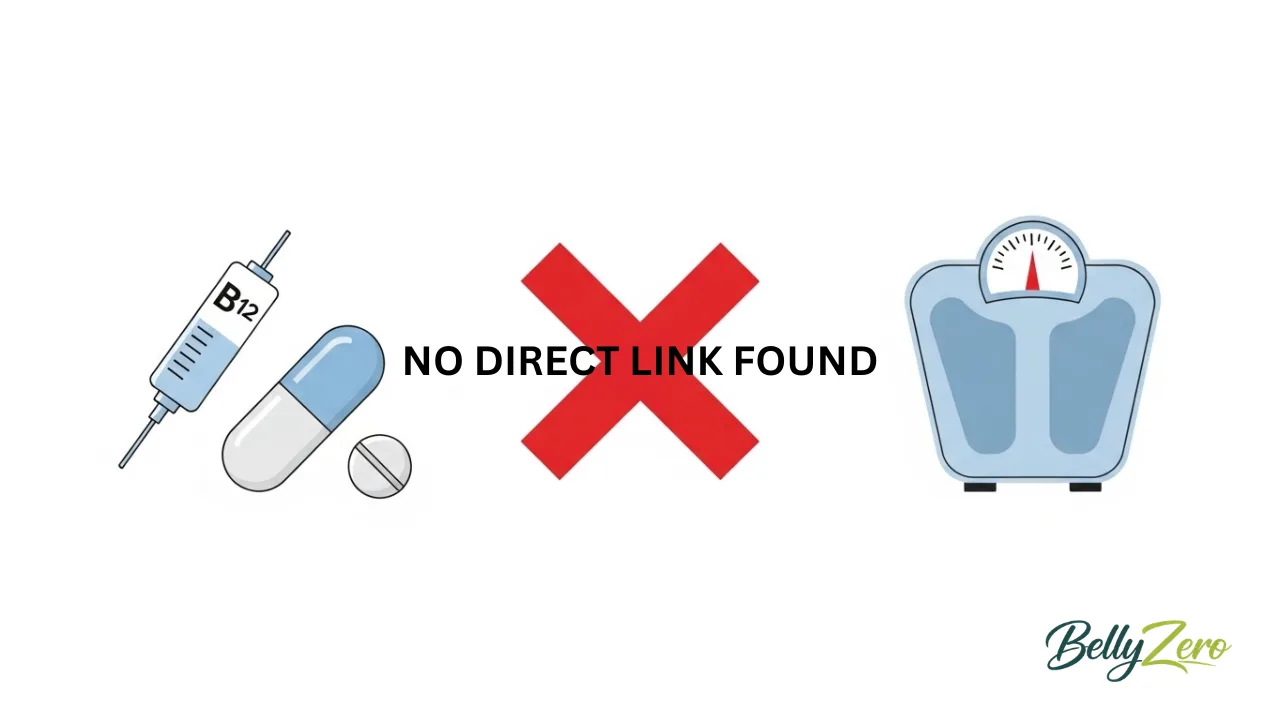
None of these studies support giving B12 injections to people with normal levels as a weight loss strategy. The research is clear: the effect exists only in the context of correcting a deficiency that was already present.
When Doctors Recommend B12 Injections
Most doctors agree that B12 injections have a legitimate and important place in medicine. That place is specific. It is not the general wellness population walking into a medspa on a Tuesday afternoon.
Clinical evidence shows injections are the appropriate choice when a patient has pernicious anemia and cannot produce intrinsic factor needed to absorb B12 through digestion. They are appropriate after certain bariatric surgeries that alter the gut’s ability to absorb nutrients.

They are appropriate when a patient presents with neurological symptoms from severe deficiency and needs rapid correction. They are appropriate for patients with Crohn’s disease or other inflammatory bowel conditions that have damaged the absorptive surface of the small intestine.
Outside of those scenarios, a responsible physician tests B12 levels before recommending any form of supplementation. A provider who recommends injections without checking your actual levels first is not making a clinical decision. They are making a sales decision. Those are not the same thing.
B12 Shots vs Pills: Which One Is Better?
| Factor | B12 Injections | B12 Oral Supplements |
|---|---|---|
| Absorption rate | 100% absorbed, bypasses digestive tract entirely | High-dose oral absorbs well via passive diffusion even without intrinsic factor |
| Medical necessity | Required for pernicious anemia, post-bariatric surgery, severe gut absorption failure | Effective for most deficiencies including many absorption-related cases at high dose |
| Cost | $25 to $75 per shot at wellness clinics | $8 to $20 for a full month’s supply |
| Convenience | Requires clinic visit or trained self-injection | Taken at home with no appointment |
| Speed of correction | Faster for severe deficiency and neurological symptoms | Effective within weeks for most people at 1,000 mcg or more daily |
| Cochrane 2018 verdict | Effective for deficiency treatment in medical contexts | Equally effective for most people, including many with absorption issues |
| Fat loss benefit | None beyond correcting deficiency | None beyond correcting deficiency |
The bottom line from the Cochrane review is worth repeating. For most people with a real B12 deficiency, a high-dose oral supplement corrects levels just as effectively as an injection. Unless your situation specifically requires bypassing the gut, pills work fine and cost a fraction of the price of clinic shots.
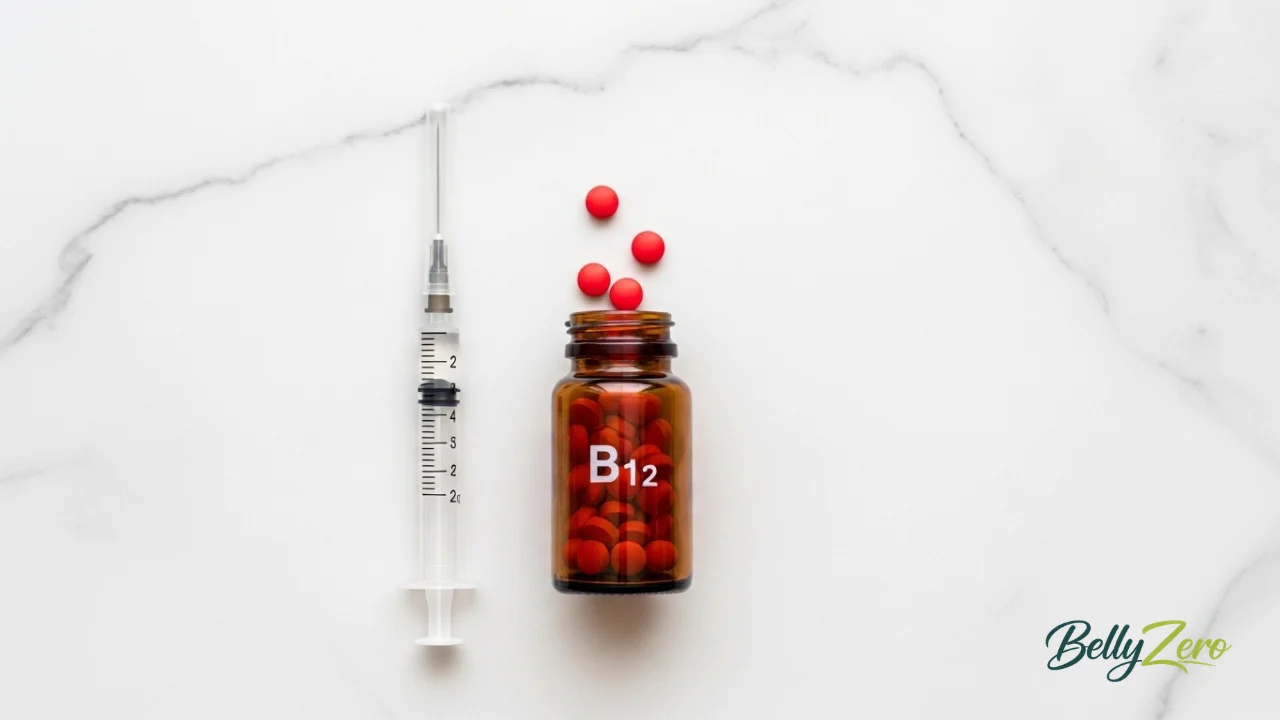
Myths vs Reality About Vitamin B12 Injections
| The Myth | The Reality | Verdict |
|---|---|---|
| B12 burns body fat directly | B12 assists enzymes involved in energy metabolism. It does not trigger fat cell breakdown. No controlled trial has shown direct fat loss from B12 in people with normal levels. | FALSE |
| Higher doses mean faster weight loss | Once levels are in the normal range, excess B12 is excreted in urine. There is no dose-response relationship between B12 and fat loss in people who are not deficient. | FALSE |
| Injections work better than pills for fat loss | Neither injections nor pills cause fat loss directly. The Cochrane 2018 review found oral high-dose B12 corrects deficiency as effectively as injections for most people. | MISLEADING |
| Lipotropic shots are clinically proven fat burners | The individual compounds in lipotropic shots serve real bodily functions but have no consistent human clinical trial evidence for producing meaningful fat loss. This is primarily a marketing product. | FALSE |
| B12 shots boost metabolism in healthy people | B12 can restore a metabolism that slowed due to deficiency. It cannot accelerate a metabolism that is already functioning normally. There is an important difference between restoring and boosting. | MISLEADING |
| Correcting a deficiency can support weight loss | This one is true. Fatigue, reduced activity, and brain fog from deficiency all work against weight management goals. Fixing a real deficiency removes a genuine barrier to being more active. | TRUE |
Common Mistakes People Make With Vitamin B12
Getting shots without testing first is the single biggest mistake. If you do not know your baseline B12 level, there is no way to know whether the injection is doing anything at all. A clinic recommending shots without first reviewing your blood work is making a commercial decision, not a medical one. Testing is fast, inexpensive, and gives you actual data to act on.
Expecting the injection to replace the fundamentals is the second most common error. Some people get a few shots, notice a temporary energy lift (which may be partly placebo-driven), and assume fat loss will follow automatically.
It does not work that way. Consistent movement, a reasonable calorie intake, quality sleep, and managing stress are still the things that produce lasting results. B12 cannot substitute for any of them.
Attributing all fatigue to B12 without investigating other causes is also a real risk. If energy does not return after correcting a B12 deficiency, the root cause may be something else entirely: low iron, thyroid dysfunction, low vitamin D, blood sugar instability, or sleep apnea.
Using B12 shots as a general energy fix can delay a proper diagnosis when something else is actually driving the symptoms.
Finally, people often assume that because B12 is water soluble and generally safe at high doses, there is no downside to taking more than needed. The real downside is not toxicity. It is wasted money and the false reassurance that you are doing something meaningful for your weight when you are not.

Are B12 Injections Safe?
For most healthy adults, B12 injections are considered safe. The vitamin itself has no known toxicity at practical doses because excess is excreted rather than stored.
The side effects that do occur are generally mild and localized to the injection site: brief pain, redness, or minor swelling. Some people notice a temporary headache or mild flushing. Serious allergic reactions are rare and usually involve the preservatives or excipients in the injection solution rather than the B12 itself.
The more meaningful safety concern with clinic-administered B12 shots is not the B12. It is the broader context. Injections delivered without proper sterile technique carry infection risk.

Ongoing financial commitment to weekly or monthly shots for a product that is not addressing a clinical need is a real cost without real benefit. And the false sense of progress can delay someone from finding out what is actually keeping their energy low or their weight stuck.
Are b12 shots effective in a medical context? Yes, when used appropriately. Are they safe in wellness settings? Generally yes, with caveats around clinical standards and appropriate screening. Are they worth it for most people seeking weight loss? The evidence does not support that conclusion.
Final Verdict
B12 is not a fat burner. That sentence is the most important thing in this article.
If you are genuinely B12 deficient, correcting that deficiency is absolutely worth doing. You will feel better, move more, and potentially find that weight loss becomes easier because the fatigue and low motivation that were quietly working against you are gone. That is a real benefit. It is just not the same thing as a weight loss injection.
If your B12 levels are already in the normal range, getting shots at a wellness clinic will not accelerate your metabolism, increase fat burning, or move the scale. The extra B12 will leave your body through your urine before it has any meaningful effect.
The path that actually produces results has not changed: consistent movement, eating in a way that creates a reasonable calorie deficit, prioritizing sleep, and managing stress. B12 can support that path if a deficiency has been quietly undermining your energy. It cannot replace that path for anyone.
Get tested before spending anything. Let the result guide the decision. That is what evidence-based health looks like in practice.
Frequently Asked Questions
For informational and educational purposes only. All content on BellyZero, including articles, calculators, health tools, templates, and recipes, is intended to provide general health information. It does not constitute medical advice, a clinical diagnosis, or a substitute for professional healthcare guidance.
Results generated by BellyZero calculators and tools are estimates based on population-level formulas and standard reference ranges. They do not account for your full medical history, individual physiology, existing health conditions, or medications. Results may not apply to pregnant women, children, competitive athletes, or individuals with chronic illness.
Always consult a qualified healthcare professional before making changes to your diet, exercise routine, or health regimen based on anything found on this website. If you have symptoms or concerns about your health, seek medical attention promptly. BellyZero does not accept liability for decisions made based on content published on this site.