If you are still searching for how to lose belly fat after months of trying, you are not doing something wrong. You are dealing with something that goes much deeper than calories and cardio.
You have cut sugar. You tried intermittent fasting. You did the morning walks and the ab workouts. And still, that lower belly stays the same, unchanged and stubborn.
Here is the myth worth busting: belly fat does not respond to effort alone. It responds to the right signals in your body. Until those signals are corrected, the fat will not move, no matter how disciplined you are.
This guide skips the beginner basics you already know. It goes into the actual biology, hormone patterns, specific training approaches, and the strategic habits that finally get stubborn belly fat to respond.
To lose stubborn belly fat, women need to address hormonal imbalances, not just calories. The most effective approach combines improving insulin sensitivity, managing cortisol through better sleep and stress control, building lean muscle with strength training, and following a protein-rich, high-fiber diet. Visible results typically appear within 12 to 16 weeks of consistent effort.
Why Belly Fat Is the Last to Go
Your body follows a clear fat loss priority system, and your belly sits near the bottom of that list. Fat stored around the midsection is hormonally active. It communicates with your liver, pancreas, and adrenal glands. From an evolutionary standpoint, your body protects this reserve during stress or scarcity. So when you cut calories, energy comes from less critical fat stores first.
Genetics also shapes where fat is stored and which areas resist fat loss the longest. Women who have more estrogen receptors in the lower belly often find that fat in this area is harder to lose.
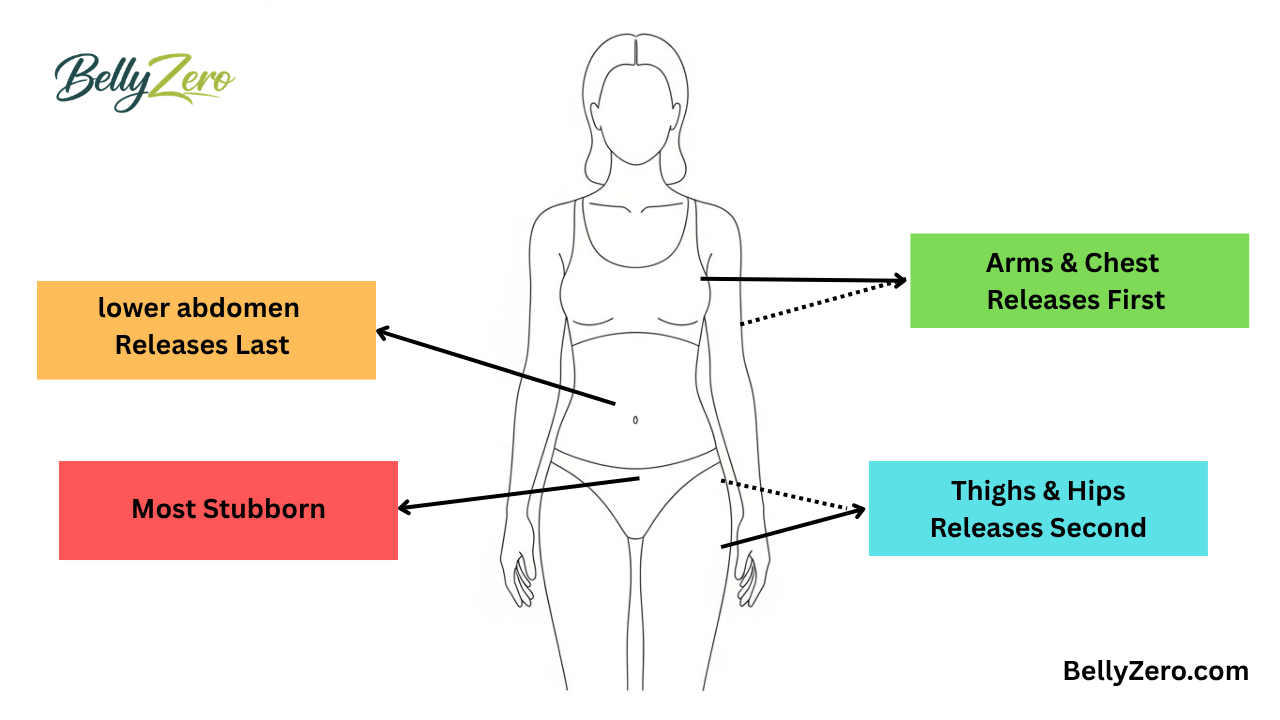
Fat storage priority in the female body:
- Arms, chest, and upper back tend to lose fat first
- Thighs and hips follow next
- The lower belly and navel area are usually the last
Understanding this order removes the idea that belly fat is a personal failure. It is biology, not a lack of willpower.
Key Takeaways:
- Your body protects belly fat by design, not by accident
- Genetics and estrogen receptor distribution influence where fat lingers
- Fat loss follows a priority order, and the belly is typically last
The Real Reason Belly Fat Stays (Hormones Explained)
Belly fat is not just a calorie problem. It is also a signal problem.
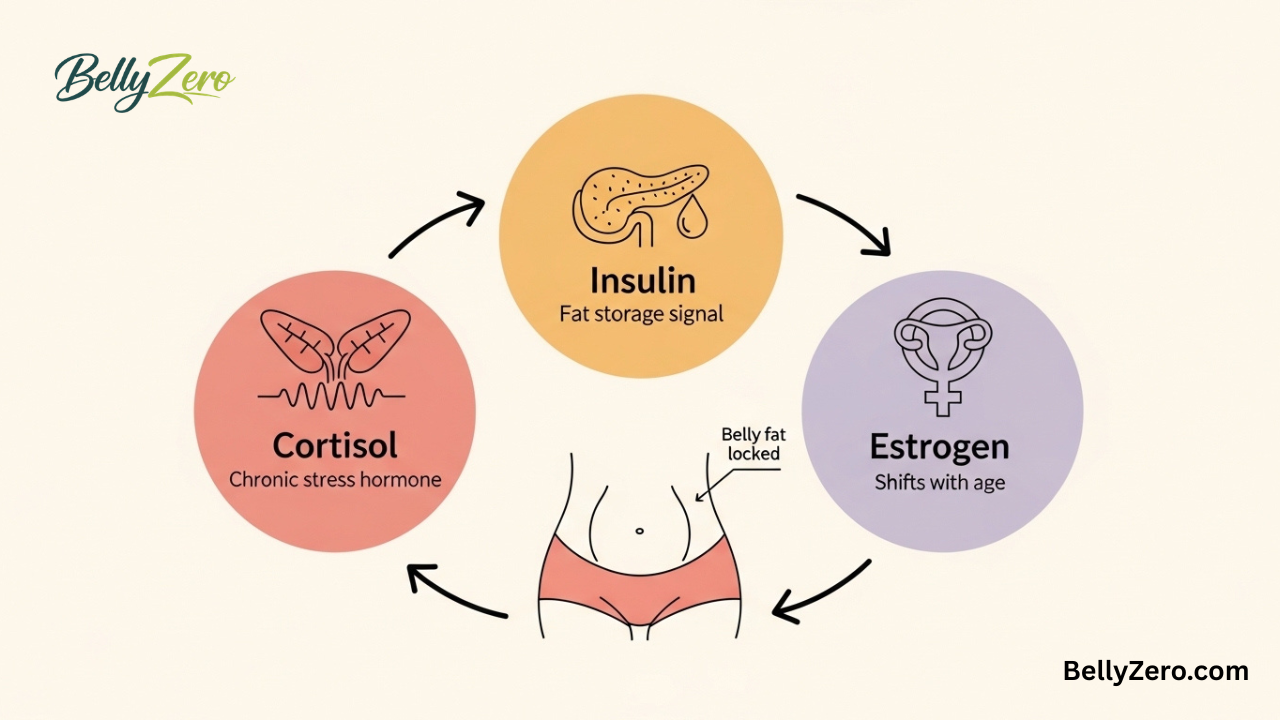
You can eat less and move more and still struggle to lose belly fat if your hormones are working against you. Three hormones play a central role in why belly fat accumulates and becomes resistant to loss.
Cortisol
Cortisol is your primary stress hormone. Under chronic stress, your body keeps cortisol elevated for longer than intended. One of its roles is to mobilize energy quickly, and it can also promote fat storage around the midsection.
Modern stress rarely involves physical danger. Work pressure, financial stress, poor sleep, and even aggressive calorie restriction can all elevate cortisol. When cortisol stays high over time, fat loss around the belly becomes more difficult.
Insulin Resistance
Insulin controls how your cells absorb glucose. When cells stop responding efficiently, your pancreas compensates by producing more insulin. Chronically elevated insulin is a strong fat-storage signal, particularly in the abdominal area.
Signs you may have mild insulin resistance:
- Energy crashes after meals
- Strong carb cravings in the afternoon
- Difficulty losing weight even in a calorie deficit
Many women in their 30s and early 40s may develop this gradually without obvious warning signs.
Estrogen Changes
Estrogen begins to shift as early as the mid-30s. Higher estrogen levels tend to support fat storage in the hips and thighs. As estrogen declines during perimenopause and menopause, fat distribution often shifts toward the abdomen.
This is why many women notice increased belly fat in their late 30s and 40s, even without major changes in diet or activity. The hormonal environment changes, not just daily habits.
All three hormones interact. Elevated cortisol can increase insulin levels. Lower estrogen can increase sensitivity to stress. Together, these changes can create a cycle that makes belly fat more resistant to loss.
Key Takeaways:
- Cortisol, insulin, and estrogen are the three hormonal drivers of belly fat in women
- Insulin resistance can develop silently and is extremely common after 30
- Hormonal loops must be addressed before belly fat will respond consistently
Why You Lost Weight But Still Have Belly Fat
This is one of the most frustrating experiences many women face. The scale goes down. Clothes feel slightly looser in some areas. But the belly looks almost the same.
Muscle Loss vs Fat Loss
When women lose weight primarily through calorie restriction without enough protein or resistance training, a significant portion of that loss comes from muscle, not fat. The result is a lower body weight but an unfavorable shift in body composition. Less muscle, same belly fat. The scale shows progress. The mirror does not.
The Skinny Fat Problem
Skinny fat describes a normal-weight body that carries a high percentage of fat relative to muscle. The belly remains soft and slightly protruding even when overall weight looks fine. This is extremely common in women who have relied on cardio with little to no strength training. Body weight stayed controlled, but muscle declined while belly fat remained.
Metabolic Slowdown
Repeated calorie restriction teaches your body to operate on less. Your resting metabolic rate drops, making further fat loss progressively harder. This explains why the same diet that worked the first time fails on the second or third attempt.
Key Takeaways:
- Weight loss without muscle preservation often leaves belly fat untouched
- Skinny fat is a body composition problem, not a weight problem
- Metabolic adaptation from repeated dieting makes belly fat increasingly resistant over time
Visceral Fat vs Subcutaneous Fat
Not all belly fat behaves the same, and understanding the difference shapes your strategy.
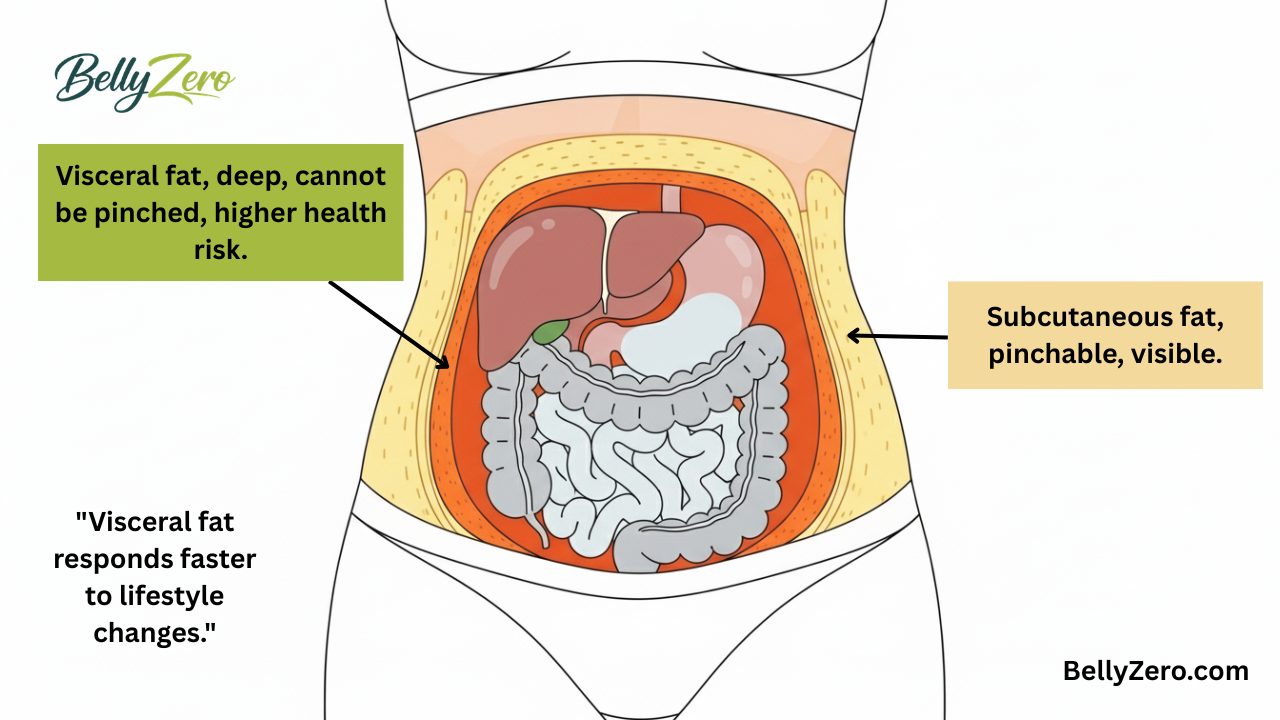
Subcutaneous fat sits directly under the skin. You can pinch it. It is visible and stubborn but carries lower immediate health risk.
Visceral fat sits deep inside the abdominal cavity, wrapped around your liver, pancreas, and intestines. You cannot see or feel it. But it is far more metabolically active. It releases inflammatory compounds, disrupts insulin signaling, and raises the risk of cardiovascular disease, type 2 diabetes, and hormonal imbalance.
A woman can have a flat-looking belly and still carry dangerous levels of visceral fat. The reverse is also true. A soft, rounded lower belly may be mostly subcutaneous fat, which is less immediately harmful.
The good news: visceral fat responds faster to lifestyle changes than subcutaneous fat. It is often the first to decrease, even before visible mirror changes appear.
Key Takeaways:
- Visceral fat is the dangerous kind and cannot be seen or pinched
- Subcutaneous fat is visible but carries lower immediate health risk
- Visceral fat responds faster to lifestyle changes than subcutaneous fat does
What Actually Burns Belly Fat
You do not burn belly fat. You allow it to release by removing the hormonal signals that keep it locked in place.
Here is how the process actually works. When insulin drops consistently low, fat cells open up and release stored fatty acids into the bloodstream. Your body then burns those fatty acids for energy, but only if cortisol is also under control. High cortisol blocks this release and signals the body to hold onto abdominal fat specifically. This is why two women can follow the same diet and get completely different results around the midsection.
You do not lose belly fat by doing more. You lose it by doing the right things consistently. Belly fat is released when:
- Insulin drops low enough, long enough, that fat cells open up
- Cortisol stays consistently low so your body stops protecting abdominal reserves
- Lean muscle mass increases, raising your resting metabolic rate
- Sleep quality improves, restoring the hormonal environment needed for fat mobilization
- Stress load decreases enough that the body feels safe releasing its emergency reserves
No supplement, wrap, or detox changes these signals. Only consistent lifestyle inputs do.
The Strategy That Finally Helps Reduce Stubborn Belly Fat
One thing needs to be said before going further. You cannot lose fat without a calorie deficit. That part is non-negotiable. But a deficit is just the starting condition. It does not tell your body where to pull the fat from. Hormones do that.
They decide where fat gets stored, which areas get protected, and which reserves get released first. Belly fat sits at the very bottom of that release order, and hormones are the reason why. This is the piece most weight loss advice completely ignores.
Below are the four strategies that, when combined, create the hormonal and metabolic conditions that allow belly fat to finally release.
- Strategy 1: Improve Insulin Sensitivity
- Effect: Reduces fat storage signaling
- Why it works: Muscle absorbs glucose efficiently, lowering circulating insulin
- Strategy 2: Reduce Cortisol
- Effect: Unlocks belly fat protection
- Why it works: Lower stress hormones remove the signal to protect abdominal reserves
- Strategy 3: Build Lean Muscle
- Effect: Raises metabolic rate
- Why it works: More muscle burns more calories at rest and improves body composition
- Strategy 4: Optimize Eating Timing
- Effect: Reduces evening fat storage
- Why it works: Earlier meals align with natural insulin sensitivity peaks
Improve Insulin Sensitivity
Prioritize strength training, reduce refined carbohydrates, eat fiber with every meal, and walk after eating. Each of these actions lowers circulating insulin and signals your body that energy is available rather than scarce.
Reduce Stress Hormones
Protect sleep, avoid extreme calorie restriction, limit excessive high-intensity exercise, and build daily habits that give your nervous system real recovery time. Even 10 quiet minutes in the morning before checking your phone counts.
Build Lean Muscle
Strength training two to four times per week builds the lean mass that shifts body composition over time, even when the scale holds steady. You do not need a gym. Bodyweight movements done with proper intensity produce real results.
Optimize Eating Timing
Eat most of your calories and carbohydrates earlier in the day when insulin sensitivity peaks naturally. Finish eating at least two to three hours before bed so your body can process your last meal before overnight hormone cycles shift.
Key Takeaways:
- Insulin sensitivity and cortisol management are the two most critical levers for belly fat
- Strength training outperforms cardio for long-term body composition change
- Meal timing amplifies the results of an already solid nutrition strategy
Foods That Cause Belly Fat
Certain foods directly worsen the hormonal conditions that keep belly fat in place. The main offenders are not always obvious.
Foods that drive belly fat accumulation:
- Refined carbohydrates (white bread, pasta, pastries): spike insulin rapidly and repeatedly
- Added sugars and sweetened drinks: drive insulin resistance faster than almost any other input
- Alcohol: raises cortisol, disrupts sleep, and converts easily to liver fat
- Liquid calories (juices, sweetened coffees, sugary protein shakes): spike insulin without creating any fullness
- Ultra-processed snack foods: combine refined carbs, seed oils, and added sugars in ways that override your natural satiety signals
None of these need to be eliminated entirely. But consuming them frequently while struggling with belly fat means you are actively working against your hormonal environment every single day.
Strategic Eating for Belly Fat Loss
This is not about another diet. It is about structuring what you already eat so your hormones work with you instead of against you.
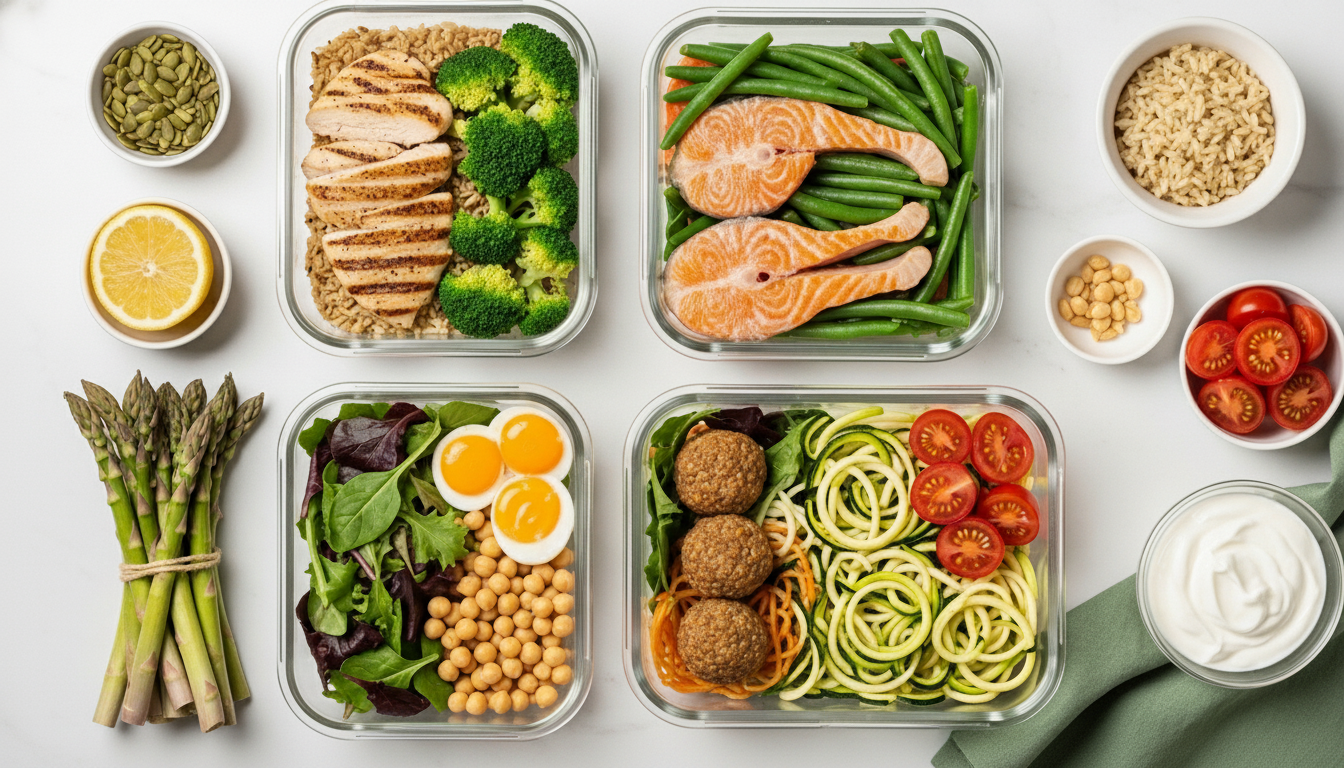
Protein is the most important lever. Women targeting belly fat need significantly more protein than standard guidelines suggest. Protein preserves muscle in a deficit, requires more energy to digest, and does not spike insulin the way refined carbs do. Aim for a palm-sized portion at every meal, every day.
Fiber is the second key factor. It slows carbohydrate absorption, moderates insulin response, and feeds gut bacteria that research increasingly links to metabolic health and fat storage patterns. Women with higher fiber intakes consistently show lower visceral fat levels.
Best fiber sources:
- Vegetables and leafy greens
- Legumes (lentils, chickpeas, black beans)
- Whole grains (oats, quinoa, barley)
- Seeds (chia, flaxseed, pumpkin)
- Berries
Meal structure matters more than meal frequency. Whether you eat two meals or five, the composition of each meal determines your hormonal response. Protein plus non-starchy vegetables plus complex carbohydrates creates a very different metabolic environment than refined carbs with little protein, even at the same calorie count.
Liquid calories remain one of the most overlooked drivers of belly fat. Sweetened coffees, juices, fruit-heavy smoothies, and alcohol all contribute insulin-spiking calories without any satiety benefit.
Key Takeaways:
- Protein at every meal is non-negotiable for belly fat reduction
- Fiber directly lowers visceral fat levels over time
- Liquid calories spike insulin without creating fullness and should be minimized
Best Exercises for Belly Fat
Abs workouts do not directly burn belly fat. Crunches and planks build the muscles underneath, but they do not remove the fat layer on top. Here is what actually produces results, ranked by impact.
- Compound Strength Training (squats, deadlifts, rows, lunges, presses)
This is the most effective exercise category for belly fat reduction in women. Compound movements recruit multiple large muscle groups at once, burn significant energy during the session, and elevate your metabolism for hours afterward through excess post-exercise oxygen consumption.
Two to four full-body sessions per week is the most effective frequency. You do not need a gym. Bodyweight movements done at real intensity produce real results.
- Daily Walking (30 to 60 minutes)
Walking is one of the most underrated tools for belly fat specifically. It keeps cortisol low, burns fat as a primary fuel source, and requires zero recovery time. Women who walk consistently show measurable visceral fat reductions over time even without dramatic diet changes.
A post-meal walk within 45 minutes of eating dramatically lowers blood glucose, reduces insulin output, and directly discourages fat storage in the midsection.
- Strategic HIIT (one to two sessions per week maximum)
HIIT is effective for calorie burn but raises cortisol substantially. More than two sessions per week can actively work against belly fat reduction in women who already carry chronic stress loads.
One to two sessions alongside strength training and walking is the right amount. Excess HIIT is one of the most common reasons belly fat stops responding even when everything else looks right on paper.
The most effective weekly training structure for women targeting belly fat:
- Two to four full-body strength sessions
- Daily or near-daily walks
- One to two HIIT sessions at most
More cardio is almost never the answer. More muscle almost always is.
Key Takeaways:
- Strength training is the most effective exercise type for belly fat reduction in women
- Walking after meals directly lowers insulin and discourages abdominal fat storage
- Excess HIIT raises cortisol and can actively prevent belly fat from releasing

Stress and Sleep Connection to Belly Fat
When cortisol stays chronically elevated from stress, poor sleep, calorie restriction, or over-exercise, your body interprets it as a survival threat. It slows fat burning, increases appetite, promotes midsection fat storage, and drives cravings for dense, calorie-rich foods.
Sleep is the most powerful cortisol regulator you have access to. Women who consistently get fewer than seven hours show significantly higher cortisol levels, increased insulin resistance, higher ghrelin (hunger hormone), and lower leptin (satiety hormone). The result is a body that is hungry, storing fat more readily, and holding onto belly fat specifically.
Even one night of poor sleep shifts hunger hormones enough to increase calorie intake the following day by several hundred calories. And those extra calories land in a high-cortisol environment that pushes them straight to abdominal storage.
Practical steps to improve sleep for belly fat reduction:
- Keep consistent sleep and wake times seven days a week
- Keep your room cool and dark
- Avoid screens and bright light in the two hours before bed
- Do not eat large meals close to bedtime
Managing stress is equally non-negotiable. This does not mean meditating for an hour daily. It means identifying your biggest cortisol triggers and making deliberate choices to reduce the chronic load.
Key Takeaways:
- Poor sleep directly raises cortisol and drives belly fat accumulation
- Even one bad night shifts hunger hormones significantly the next day
- Stress management is not optional when belly fat is the goal
Common Belly Fat Mistakes
Most women who struggle with belly fat are not failing because they lack discipline. They are failing because common advice leads them into patterns that actively make belly fat worse.
Eating too little: Dropping calories dramatically raises cortisol, triggers muscle breakdown, slows your metabolism, and puts your body into a conservation mode that specifically protects belly fat. A modest reduction with higher protein works far better than aggressive restriction.
Too much cardio: Women who run six or seven days a week while dieting and still cannot lose belly fat are often caught in a cortisol-driven pattern. Reducing cardio and replacing some sessions with strength training and walking often produces better results. This feels completely backwards, but it is physiologically sound.
Detox cleanses, waist trainers, and fat-burning supplements: The belly fat industry targets frustrated women. None of these change your hormonal environment in any meaningful way. Detoxes do not flush belly fat. Waist trainers temporarily redistribute your shape. Supplements claiming to target belly fat are not supported by credible evidence.
Ignoring protein: Many women eating healthily end up with mostly salads and small portions of everything. Without enough protein, muscle declines, hunger increases, and the metabolic conditions for fat loss fall apart. Protein is the non-negotiable anchor of every meal.
Key Takeaways:
- Eating too little is one of the most common and counterproductive belly fat mistakes
- Excess cardio raises cortisol and actively works against belly fat release
- No supplement or detox changes the hormonal signals that control belly fat
Realistic Timeline for Belly Fat Loss
Visceral fat, the deeper and more dangerous type, responds faster. With consistent effort across nutrition, training, stress, and sleep, measurable visceral fat reductions can happen within four to eight weeks, even when mirror changes are not yet visible.
Subcutaneous belly fat changes more slowly. Most women who approach this correctly notice real visible changes at the 12 to 16 week mark, with meaningful transformation around the six-month point.
These timelines assume no underlying hormonal condition. Women with PCOS, hypothyroidism, or significant insulin resistance may see slower progress and should work alongside a healthcare provider.
What progress actually looks like week to week:
- Reduced bloating
- Improved energy levels
- Fewer afternoon cravings
- Better sleep quality
- Gradually looser clothing around the waist
Visible belly changes come last. Everything else improves first. Women who stop at the 30-day mark almost always quit right before the results would have shown up.
30-Day Belly Fat Reset Plan
This plan does not promise dramatic results in 30 days. It builds the foundational habits that create the right conditions for belly fat to start moving. Think of it as resetting your hormonal baseline.
Week 1: Foundation
Focus entirely on protein and walking. Get a source of protein at every meal. Aim for 30 minutes of walking daily, ideally after at least one meal. Identify your two biggest stress sources and note one small thing you can change about each. Go to bed 30 minutes earlier than usual.
Week 2: Structure
Add two full-body strength training sessions. Keep them simple and focused on compound movements. Remove one liquid calorie source from your daily routine. Start tracking your actual sleep hours.
Week 3: Optimization
Add a third strength session if your body feels ready. Begin eating your largest meal earlier in the day. Add one serving of legumes or seeds daily for fiber. Establish a no-screens rule in the last hour before bed.
Week 4: Consistency
Repeat week three without negotiation. Consistency at this stage matters more than perfection. If you miss a training session, replace it with an extra walk rather than skipping entirely.
For additional support, BellyZero offers a belly fat calculator that estimates your starting point and tracks progress over time, a calorie calculator built specifically for women, and printable habit trackers for each week of this plan.
Frequently Asked Questions
Medical Disclaimer
The information provided on BellyZero is for general educational purposes only and is not intended as medical advice, diagnosis, or treatment. It should not be used as a substitute for professional guidance from a licensed healthcare provider.
If you have or suspect an underlying health condition, including polycystic ovarian syndrome (PCOS), insulin resistance, thyroid disorders, or hormonal imbalances, consult a qualified medical professional before making changes to your diet, exercise routine, or supplement use.
Individual results may vary. BellyZero does not provide personalized medical recommendations. Always seek the advice of your physician or other qualified healthcare provider with any questions regarding a medical condition.