Struggling to lose belly fat after hernia surgery? You are not alone. Hernia surgery brings real relief from constant discomfort and helps prevent serious complications. But it often leaves people facing a different challenge: stubborn belly fat that feels impossible to tackle without risking the surgical repair.
Many people feel caught between two fears. Exercise too aggressively and you could damage your repair. Do nothing and the belly fat sticks around, affecting your confidence and your health. That is a frustrating position, and it is one that thousands of post-surgery patients deal with every year.
Here is what works: a patient, structured approach that respects your healing timeline while still making real progress. With the right methods and realistic expectations, you can lose belly fat safely after hernia surgery. You just need to understand what your body can handle at each stage of recovery.
Note: Always consult your surgeon before starting any exercise or diet program after hernia surgery. The information in this guide is educational and does not replace personalized medical advice.
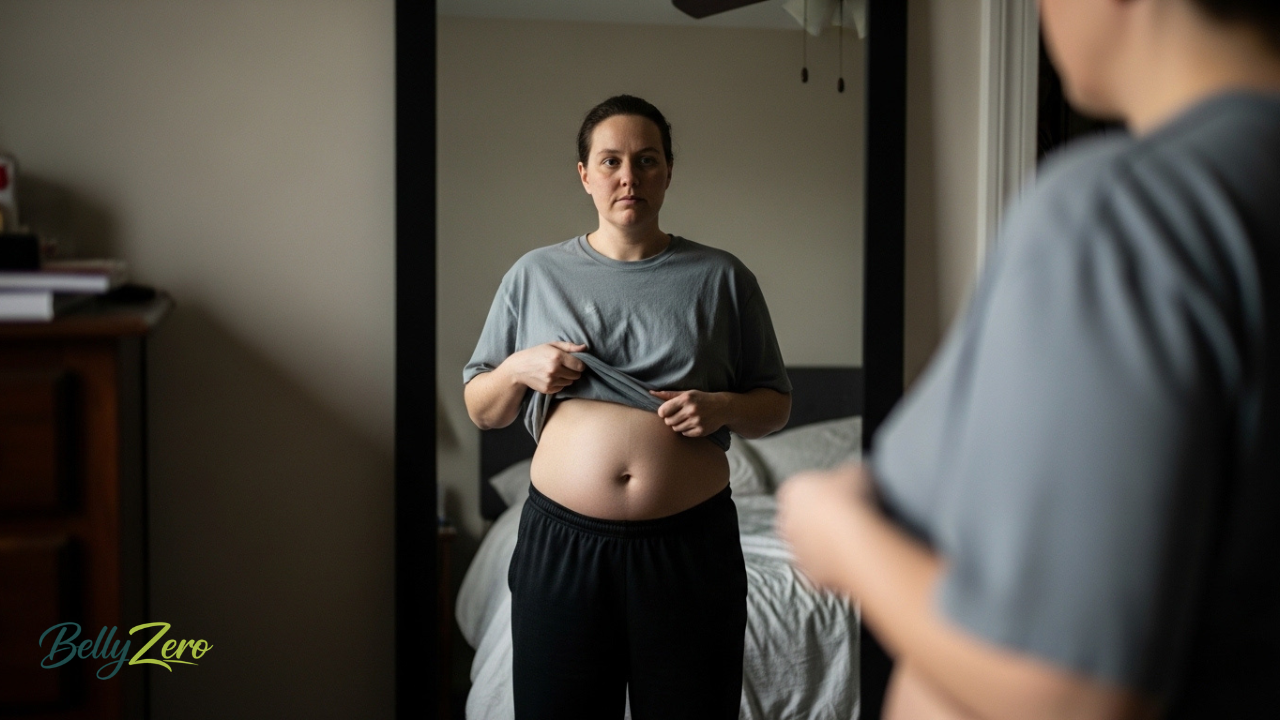
Understanding Your Post-Surgery Body
After hernia surgery, your abdominal wall needs time to heal properly. Most surgeons recommend waiting 4 to 6 weeks before significant physical activity. Larger repairs may require 8 to 12 weeks. This healing period is non-negotiable. Ignoring it can cause the hernia to return.
During recovery, many people gain belly fat or notice it more easily. Reduced activity, fluid retention around the surgical area, pain medications, and stress eating all play a role. This weight gain is typically temporary and reversible once you return to normal activity.
When Can You Start Exercising After Hernia Surgery?
Timing matters more than effort during hernia recovery. Moving too quickly can damage your repair. Moving too slowly leaves you frustrated. Here is a clear breakdown of what is safe at each stage.
Weeks 1 to 2: Focus Only on Healing
Right now, healing is your only job. Do not think about losing weight yet. Eat foods that support tissue repair, including protein, vegetables, fruits, and healthy fats. Drink plenty of water. If your doctor approves, take a short walk once a day, and stop there.
Weeks 3 to 6: Gentle Movement and Diet Awareness
Once your surgeon gives the green light for light activity, start with short walks of 10 to 15 minutes, two to three times a day. This burns calories without putting stress on your repair. Start paying attention to what and how much you eat, but avoid crash diets. Your body still needs solid nutrition to finish healing.
Weeks 6 to 12: Gradual Exercise and Focused Fat Loss
Most people receive clearance for more substantial exercise around 6 to 8 weeks post-surgery. This is the point where you can start actively working on hernia recovery weight loss using safe exercise and moderate calorie management. Build intensity gradually over weeks, not days. Your abdominal area has healed but has not yet regained full strength.
After 12 Weeks: Full Exercise Capability
Around three months after surgery, most people can return to normal activities, including core exercises, weightlifting, and more demanding cardio, and begin to accelerate fat loss at a meaningful pace.
Always follow the timeline your specific surgeon provides. Complex repairs and older patients may need additional time before returning to full activity.

Safe Exercises for Losing Belly Fat After Hernia Surgery
Choose exercises that burn calories without creating excessive abdominal pressure. These are your best options at each stage of recovery.
Walking: Your Foundation for Post-Hernia Surgery Exercise
Start with a 10 to 15-minute walk when you receive clearance, then gradually increase toward 30 to 45 minutes daily. Walking burns 200 to 300 calories per hour and puts minimal stress on your surgical area. It is the safest and most consistent tool you have during early recovery.
Swimming and Water Aerobics
Swimming is an excellent low-impact cardio option that burns 400 to 500 calories per hour without straining the abdominal muscles. Wait until your incisions have fully healed, which typically takes 3 to 4 weeks, before getting in a pool.
Stationary Cycling
Steady-state cycling on a stationary bike burns approximately 300 to 400 calories per 30-minute session without requiring intense core engagement. Keep resistance at a moderate level and avoid leaning aggressively forward on the handlebars.
Upper Body Strength Training
Work your arms, shoulders, and back with light weights or resistance bands. Building upper body muscle increases your metabolic rate, which supports overall fat loss even when your core is still recovering.
Modified Core Exercises After Full Clearance
After full clearance, usually between 3 to 4 months post-surgery, you can begin modified core exercises such as modified planks and standing abdominal movements. Avoid traditional crunches during this period, as they generate significant intra-abdominal pressure on a still-recovering repair.

Safe vs Unsafe Activities After Hernia Surgery
| Activity | Safe Timeline | Notes |
|---|---|---|
| Short walks (10 to 15 min) | Week 1 to 2 with doctor approval | Start slow, stop if you feel pain |
| Daily walking (30 to 45 min) | Weeks 3 to 6 | Increase duration gradually |
| Stationary cycling | Weeks 4 to 6 with clearance | Keep resistance moderate |
| Swimming | Weeks 3 to 4 once incision healed | No swimming until wound fully closed |
| Upper body weights | Weeks 4 to 6 with clearance | Light weights only, no straining |
| Modified core exercises | Months 3 to 4 with clearance | Avoid crunches and full planks initially |
| Running and jumping | Months 3 to 4 minimum | High-impact, needs full clearance |
| Heavy lifting (over 15 lbs) | Months 2 to 3 with clearance | Follow your surgeon’s weight limit strictly |
| Traditional sit-ups and crunches | Months 3 to 4 minimum | High intra-abdominal pressure, delay these |
| Contact sports | 4 months or more | Surgeon clearance required |
Post-Hernia Surgery Diet: What to Eat for Fat Loss and Healing
What you eat after hernia surgery plays a direct role in how well you heal and how easily you lose belly fat.
Prioritize Protein at Every Meal
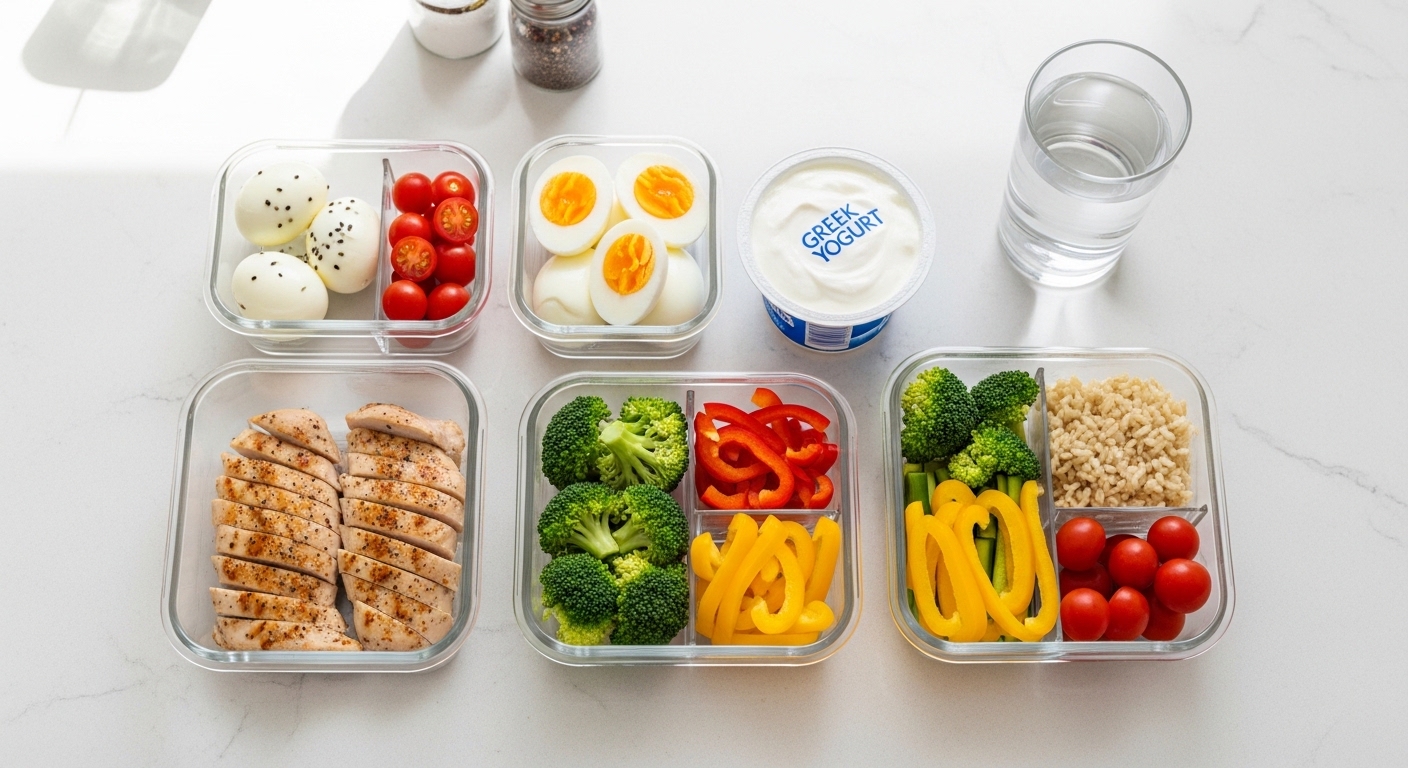
Aim for 25 to 30 grams of protein per meal from sources like chicken, fish, eggs, Greek yogurt, or beans. Protein supports tissue repair during recovery and keeps you full longer, which makes managing your calorie intake much easier.
Create a Modest Calorie Deficit
Reduce your daily calorie intake by 300 to 500 calories below your maintenance level. For most women, this means targeting 1,500 to 1,800 calories per day. For most men, 1,800 to 2,200 calories. This approach supports steady weight loss of about 1 to 2 pounds per week without undermining your recovery.
Choose Whole Foods Over Processed Options
Load your plate with vegetables, fruits, lean proteins, whole grains, and healthy fats. Cut back on processed foods, sugary drinks, and high-sodium meals that cause bloating and work against your healing.
Stay Hydrated
Drink at least 64 ounces of water per day. Staying hydrated reduces bloating, supports your metabolism, and helps your digestive system function properly during recovery.
Eat Smaller, More Frequent Meals
Four to five smaller meals spread through the day works better than three large ones during recovery. Smaller meals reduce pressure on your healing abdominal area and make portion control more manageable throughout the day.
What Most People Get Wrong About Losing Belly Fat After Surgery
Most people make one of two mistakes. They either try to rush back into exercise too soon, motivated by frustration with the belly fat, or they wait too long and stay sedentary well past the point when gentle movement would have been safe and beneficial.
A few other common mistakes worth knowing:
People assume all belly swelling is fat. In the first few months, a significant portion of what looks like belly fat is actually fluid retention and post-surgical swelling. This resolves on its own as healing progresses.
People try crash diets to speed things up. Severe calorie restriction during recovery interferes with tissue healing and causes muscle loss, which slows your metabolism and makes long-term fat loss harder.
People skip follow-up appointments. Your surgeon uses these visits to monitor your healing and decide when you are ready to increase activity. Missing them means making decisions without the information you actually need.
Biggest Mistakes After Hernia Surgery That Slow Your Recovery
Lifting too much too soon is at the top of the list. Most surgeons set a weight limit of 10 to 15 pounds or less during the first 6 to 8 weeks. That includes groceries, laundry, children, and gym weights. Exceeding it puts direct strain on your repair.
Straining during bowel movements creates abdominal pressure that can damage your surgical repair just as effectively as heavy lifting. Eat fiber-rich foods, stay well hydrated, and use a stool softener if your doctor recommends one.
Starting high-impact activities before clearance is another significant risk. Running, jumping, and contact sports stress the abdominal wall in ways that walking and cycling do not. Wait for your surgeon’s specific approval before attempting any of these.
Managing Expectations: How Fast Will You Lose Belly Fat After Surgery?
Months 1 to 2
Healing is the primary focus. Aim to maintain your current weight or lose a few pounds through gentle walks and a clean diet. Do not chase aggressive fat loss during this window.
Months 2 to 3
As physical activity returns, you can realistically expect a loss of 1 to 2 pounds per week with a balanced diet and consistent exercise. This is where the results start to become noticeable.
Months 3 to 6
After full exercise capability returns, more meaningful weight loss becomes possible. A total loss of 8 to 15 pounds during this period is common for people who stay consistent.
6 Months and Beyond
Most people who maintain their routine reach their pre-surgery weight or better within 6 to 12 months. Consistency during this phase matters more than intensity.
Keep in mind that some of what looks like belly fat in the early months is swelling and fluid retention. This resolves naturally as your body heals.

What to Avoid During Recovery
Avoid these mistakes, as they can impede healing or cause hernia recurrence.
Do not lift heavy objects. Stick to the weight limit your surgeon sets, usually 10 to 15 pounds or less during the first 6 to 8 weeks. This applies to groceries, laundry baskets, children, and gym weights.
Avoid straining during bowel movements. Constipation creates abdominal pressure that can damage your repair. Eat fiber-rich foods, stay hydrated, and ask your doctor about a stool softener if needed.
Do not start high-impact activities too soon. Running, jumping, and contact sports stress your abdominal wall significantly. Wait for clearance from your surgeon, which typically comes around 3 to 4 months after surgery.
Avoid crash diets. Severe calorie reduction slows healing and causes muscle loss. Choose a moderate calorie reduction instead.
Never skip follow-up appointments. Your surgeon monitors your healing at these visits and determines when it is safe to increase your activity. Do not assume what is safe without that guidance.
When to See Your Doctor
Call your surgeon immediately if you notice any of the following:
A sudden bulge or swelling in the surgical area, which may indicate the hernia has returned. Severe pain that does not improve with rest. Fever, redness, or discharge from the incision site, which may indicate an infection developing. Persistent nausea or vomiting. An inability to pass gas or have a bowel movement, which may indicate a developing obstruction.
A quick call to your surgeon to confirm everything is fine is always the better choice over waiting to see if something serious resolves on its own.
The Bottom Line on How to Lose Belly Fat After Hernia Surgery
Losing belly fat after hernia surgery takes patience, proper timing, and a careful, staged approach. Healing must come first. Gradual activity increases come next. Your surgeon’s approval guides every step.
Walking, swimming, and other low-impact exercises paired with a high-protein, moderate-calorie diet give you the best foundation. Start slowly, progress gradually, and never trade your surgical repair for faster results.
The timeline is longer than most people want, but it works. Follow it consistently and you will lose the belly fat without compromising your recovery.
Frequently Asked Questions
How long after hernia surgery can I do sit-ups or crunches?
Will my belly look normal again after hernia surgery?
Can I use compression garments to help lose belly fat?
Is it normal to gain weight after hernia surgery?
Can I do yoga after hernia surgery?
What is the best diet for losing belly fat after hernia surgery?
Can hernia surgery cause permanent belly fat?
Medical Disclaimer
The information provided on BellyZero is for general educational purposes only and is not intended as medical advice, diagnosis, or treatment. It should not be used as a substitute for professional guidance from a licensed healthcare provider.
If you have or suspect an underlying health condition, including polycystic ovarian syndrome (PCOS), insulin resistance, thyroid disorders, or hormonal imbalances, consult a qualified medical professional before making changes to your diet, exercise routine, or supplement use.
Individual results may vary. BellyZero does not provide personalized medical recommendations. Always seek the advice of your physician or other qualified healthcare provider with any questions regarding a medical condition.